Last updated November 22, 2026
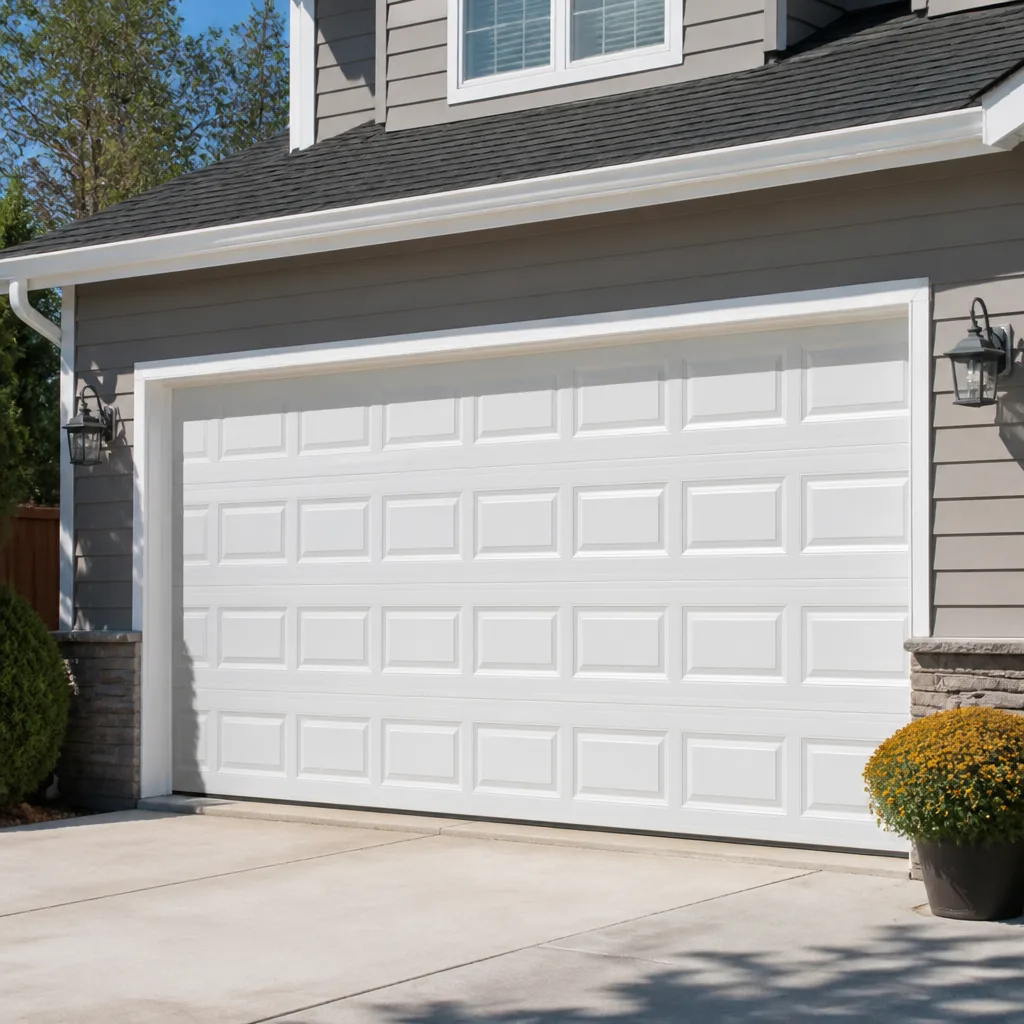 Raised-panel steel
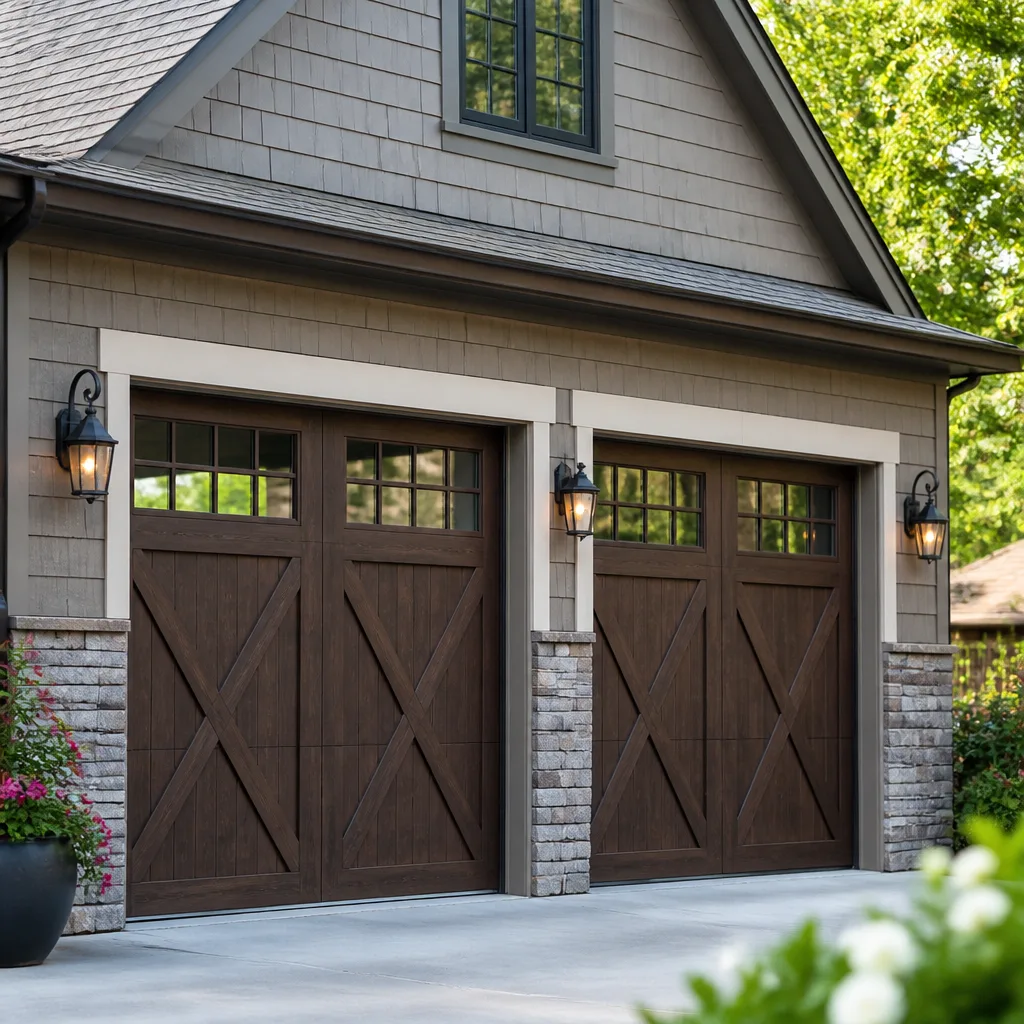 Carriage house
 Modern flush
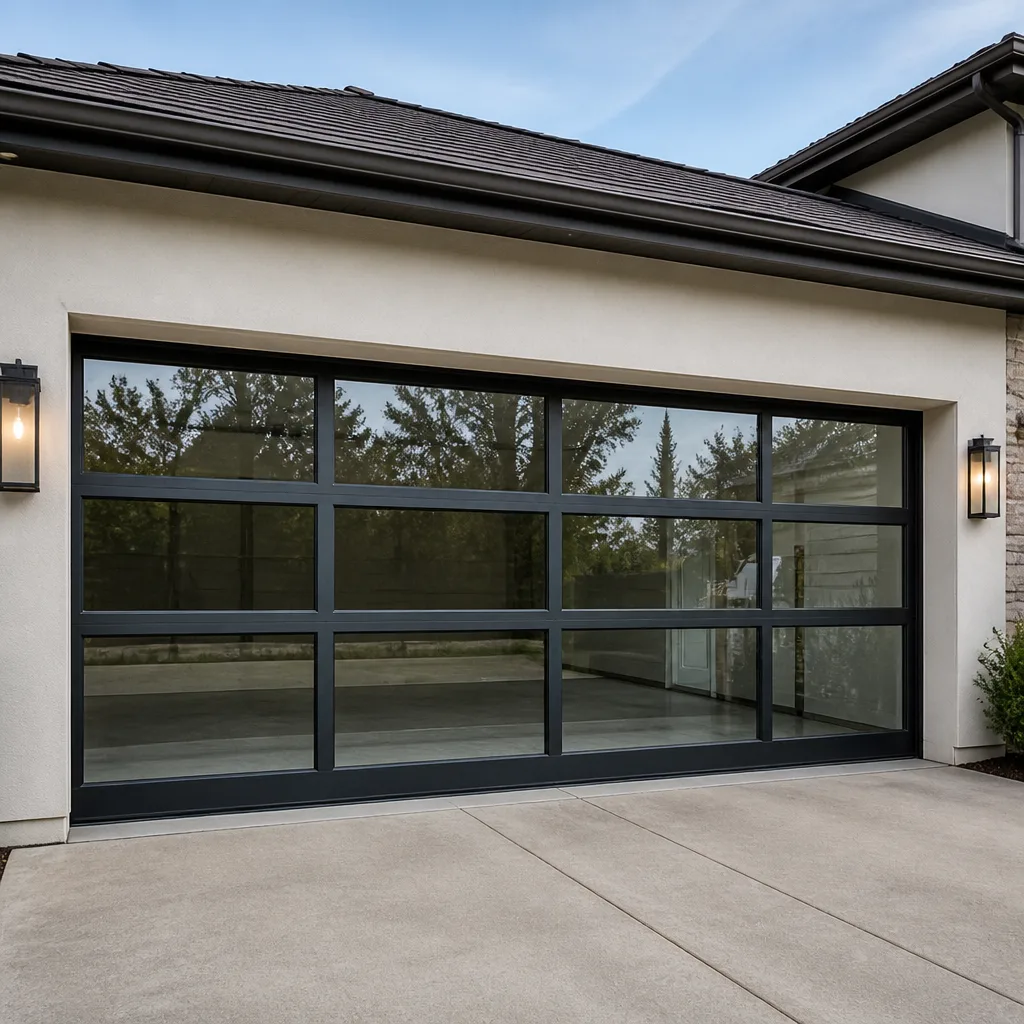 Full-view glass
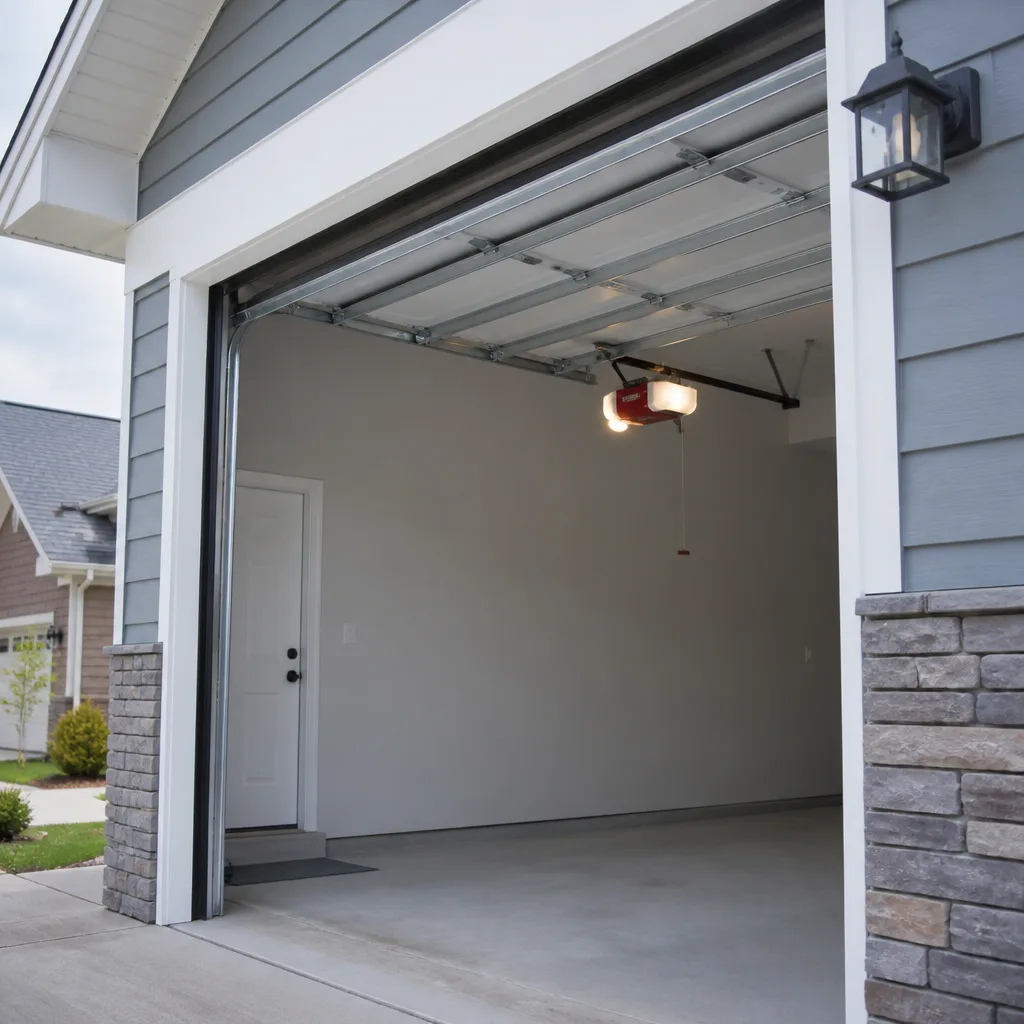 LiftMaster openers
 Chamberlain openers
Full 25-point door and opener safety check with every visit - springs, cables, rollers, tracks, and your LiftMaster or Chamberlain opener included
You get a price before we start. It does not change when the pro arrives.
Get your free estimateGarage Door Emergency Preparedness Guide for Johns Creek Homes
When a tornado watch knocks out power across Johns Creek and the car is trapped inside the garage, most homeowners discover the same thing at the same moment: they don’t know where the emergency release cord is, or how to use it without hurting themselves or damaging the door. The instinct is to pull whatever looks like a handle. That instinct is what turns a one-hour fix into a full replacement. This guide is built around the emergencies we actually see in Johns Creek: severe storm systems, summer power outages, and heat-driven spring failures. You’ll learn how to release your door manually, what to do when a spring breaks, how to secure a damaged door overnight, and how to build a one-page reference card you can post in the garage before you ever need it.
Styles & brands we work with
- Raised-panel steel
- Carriage house
- Modern flush
- Full-view glass
- LiftMaster openers
- Chamberlain openers
Quick Answer
Garage door emergencies in Johns Creek usually fall into three patterns: storm damage from high winds, opener failure during a power outage, and torsion or extension spring breaks that peak in hot summer months. The single most important prep step is locating your emergency release cord and knowing how to disengage the door safely before an emergency happens. For anything involving a broken spring, a door off its track, or a damaged panel, stop operating the door and call a trained technician. For jammed openers and lockouts, call Johns Creek Garage Door Repair at (855) 674-0828 for emergency service and a free estimate.
Table of Contents
- Why Johns Creek Homes Face Predictable Garage Door Emergencies
- How Do You Manually Release a Garage Door? (By Opener Type)
- What Should You Do When a Torsion Spring Breaks?
- How Do You Secure a Garage Door That Won’t Close?
- How Do You Prep Your Garage Door Before a Johns Creek Storm?
- How Do You Assess Storm Damage Before Using the Opener?
- How Do You Build a One-Page Emergency Reference Card?
- What Belongs in a 10-Minute Monthly Check?
- Common Mistakes to Avoid
- When to Call a Professional
- Frequently Asked Questions
- The Bottom Line
Why Johns Creek Homes Face Predictable Garage Door Emergencies
Garage door failures don’t happen at random. In Johns Creek, the same three conditions produce the same three failures, season after season. Understanding the pattern is what turns a panic into a plan.
First, severe weather. Johns Creek sits in a part of north Fulton County that sees its share of spring and summer storm systems, and the wind that comes with them puts real stress on a garage door. A garage door presents a large, flat surface to the wind. When gusts push against it, the load transfers to the springs, hinges, rollers, and the opener’s rail. A door that was marginal going into the storm often fails during it – the door bows, a panel buckles, or a roller pops out of the track.
Second, power outages. Summer thunderstorms and winter ice both take out power, and a modern opener won’t move without it. If the car is inside and you need to leave, the manual release is your only option. If you don’t know where it is, you’re stuck until power returns.
Third, heat. Springs are steel under constant tension. In a Johns Creek garage that can hit triple digits in July and August, that steel cycles between cool mornings and hot afternoons day after day. Metal fatigues. A torsion spring that’s been quietly doing its job for years can snap on a Tuesday afternoon with no warning at all. That’s not a design flaw – it’s normal wear accelerated by heat. Homes in neighborhoods like Medlock Bridge and St. Ives, where garages often face west and take direct afternoon sun, tend to see this earlier than garages on shaded lots.
The pattern matters because it tells you what to prepare for. A homeowner in Johns Creek who has a manual release plan, a lockdown routine, and a technician’s number posted in the garage resolves a storm or power emergency in an hour. A homeowner without those things often waits a day or more. The next several sections walk through each scenario.
How Do You Manually Release a Garage Door? (By Opener Type)
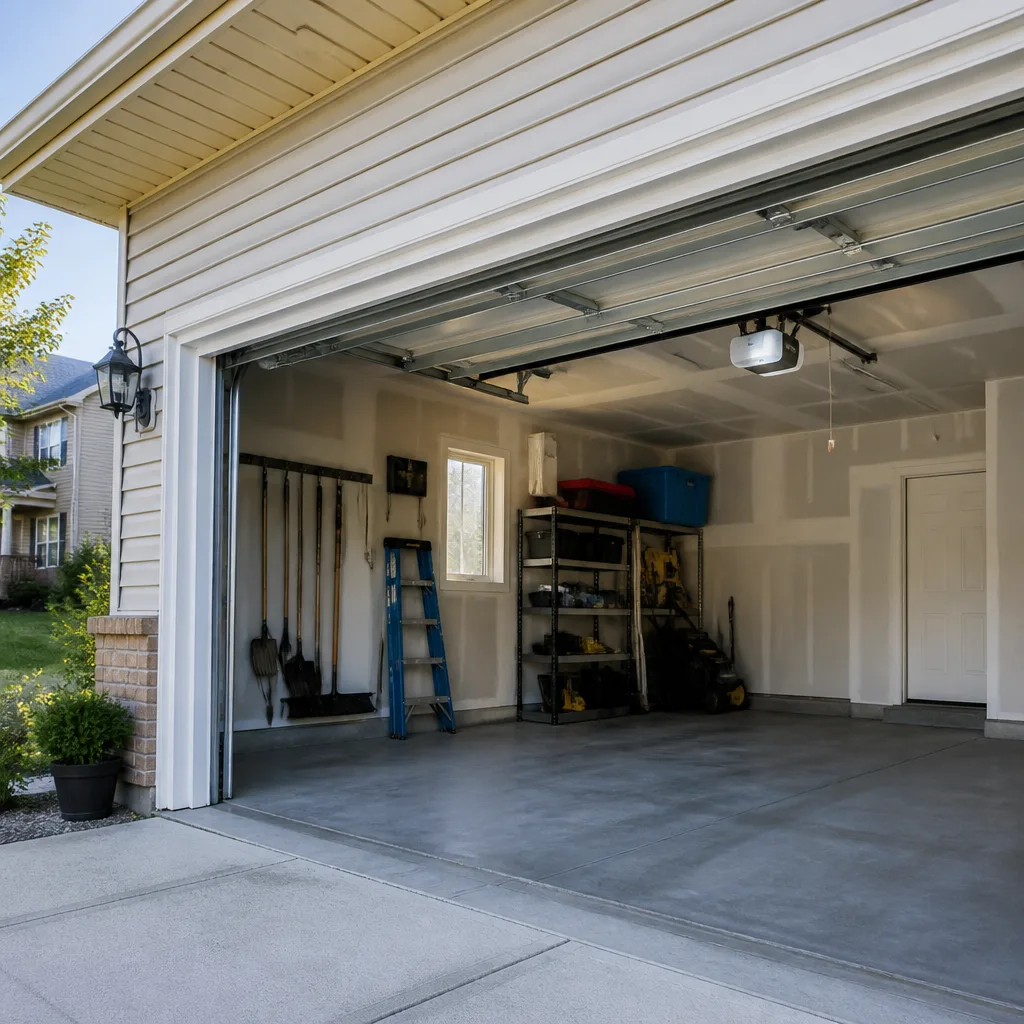
Every residential garage door opener has a manual release, and every one of them works the same basic way: a cord or lever disengages the trolley from the opener’s rail so the door can be lifted by hand. The cord is usually red and hangs from the trolley, which is the carriage that rides along the rail above the door. Knowing where it is and how to use it is the single most valuable five minutes of prep you can do.
The three most common opener types in Johns Creek homes are chain drive, belt drive, and screw drive. LiftMaster and Craftsman units are especially common, but the release mechanism is similar across brands. Here’s how to find and operate each:
- Locate the trolley. Look up at the rail that runs from the opener motor (mounted near the center of the ceiling) toward the door. The trolley is the part that moves along that rail.
- Find the release cord. On a chain or belt drive, a red cord or handle hangs from the trolley. On a screw drive, it’s often a lever or a cord just below the trolley.
- Pull straight down firmly. This disengages the trolley. You should hear a click. Don’t yank sideways – pull down along the direction of the cord.
- Lift the door by hand. Grip the bottom handle and lift slowly. A balanced door lifts with modest effort. If it feels extremely heavy, stop – that’s a sign of a broken spring, and you should not attempt to lift it further.
- Re-engage by reconnecting the trolley. When power returns, pull the door up until the trolley reconnects, or follow your opener’s manual for the re-engagement procedure.
The one mistake that damages the system
Pulling the emergency release while the door is partially open – or pulling it and letting the door slam down – is the mistake we see most. The release is designed to be used with the door fully closed. Pulling it mid-travel lets the door drop under its own weight, which can bend panels, kink the track, or snap a roller. Always close the door fully first, then pull the release, then lift by hand. And never pull the release on a door with a broken spring and expect it to stay up – it won’t. That door needs a technician, not a workaround.
For belt and screw drive systems, the release mechanism can feel stiff if it hasn’t been used in years. If it won’t budge, don’t force it with tools. Call for garage door opener repair and have a technician free the trolley safely.
What Should You Do When a Torsion Spring Breaks?
When a torsion spring breaks, the door loses its counterbalance and becomes extremely heavy. The most important thing to do is stop pulling on it. A door with a broken spring should not be operated by hand or by the opener. The opener will strain to lift a door it was never designed to lift unassisted, and the door can come down hard.
Here’s the exact sequence to follow when you suspect a spring has broken:
- Stop operating the door. Don’t hit the wall button again. Don’t try to help it up by hand.
- Look for the break. A torsion spring is the horizontal coil mounted on a shaft above the door. A break shows as a visible gap in the coil, often with a two-inch section of spring hanging loose. An extension spring (the kind that runs along the horizontal tracks) shows as a stretched or snapped coil.
- Listen for the sound. A torsion spring break is loud – a sharp bang that sounds like a gunshot or a dropped weight. If you heard that sound and the door won’t lift, you have your answer.
- Keep people and vehicles clear. The door is no longer safe to operate. Move anything parked under it if you can do so safely.
- Call a technician. Spring work is high-tension work. The springs store enough energy to cause serious injury, and the winding process requires specific tools and training. This is not a homeowner repair.
Why we treat springs as a specialty
Spring repair is one of the services many general repair companies decline or outsource because of the safety risk. We handle torsion and extension spring work as a core service, not an afterthought. That matters in Johns Creek because a broken spring is the most common failure we see in summer, and homeowners shouldn’t have to wait for a generalist to find a spring specialist. Our technicians have up to 8 years of experience, and spring work is part of what they’re trained on from the start.
If you’ve got a broken spring, call (855) 674-0828. We’ll give you a free estimate, and the price is quoted and agreed before any work begins.
How Do You Secure a Garage Door That Won’t Close?
A garage door that won’t close is a security problem first and a repair problem second. Whether the cause is a break-in attempt, impact damage from a storm, a bent track, or a snapped cable, the priority overnight is keeping the opening closed and the home secure until a technician can make the repair.
Here’s how to temporarily secure a door that won’t close:
- Check for obstructions first. The most common reason a door won’t close is something in the safety sensor beam – a recycling bin, a bike, a bag of salt. Clear the beam and try again before assuming damage.
- Disengage the opener and lower the door by hand. If the door is structurally intact, pull the emergency release, lower it slowly, and re-engage. A door that closes by hand but not by opener usually has an opener or sensor problem, not a door problem.
- Use a manual lock or a brace. If your door has a manual slide lock, engage it. If it doesn’t, a heavy-duty C-clamp on the track just above a roller, or a length of 2×4 laid across the bottom inside the door, can stop it from being lifted from outside. This is a temporary measure only.
- Block the opening from inside if the door is damaged. If a panel is buckled or the door is off its track, don’t force it closed. Use a piece of plywood or a heavy piece of furniture to block the opening from inside, and don’t park a vehicle in front of a door that’s structurally compromised.
- Don’t prop a damaged door with the opener. The opener will try to force a misaligned door and cause more damage. Leave the opener disengaged.
Impact damage from a storm, a backed-into vehicle, or a break-in attempt often bends the track or the bottom panel. In those cases, the door needs a proper repair before it can be operated normally. A bent track can usually be straightened or replaced, and damaged panels can often be replaced without replacing the entire door. Call for garage door repair and we’ll assess what’s repairable and what needs replacement, with a written estimate before any work starts.
How Do You Prep Your Garage Door Before a Johns Creek Storm?
Pre-storm prep for a garage door comes down to two questions: is the door structurally sound enough to take wind load, and can it be locked down before the storm hits? Johns Creek storm systems in spring and summer can produce strong straight-line winds and the occasional tornado warning, and a garage door is the largest opening on most homes.
Wind stress on a garage door begins to matter at higher gusts, but the exact threshold depends on the door’s width, its material, and how it’s braced. A single-car door and a double-car door behave differently, and a door with a broken or weakening spring is already compromised before the wind arrives. The practical answer for homeowners: if a significant storm is forecast, treat your door as a potential failure point and take a few minutes to prepare.
Pre-storm checklist for Johns Creek homeowners
- Test the door’s balance while it’s calm. Disengage the opener, lift the door halfway by hand, and let go. A balanced door stays put. A door that drifts down has a weakening spring and is more vulnerable to wind load.
- Manually lock the door if your model has a slide lock. Engaging the manual lock before a storm adds a mechanical barrier and reduces the door’s ability to be pushed or lifted.
- Clear the area in front of the door. Anything that can become airborne – trash cans, garden tools, patio furniture – should be moved inside or secured. Wind-driven debris is what causes most impact damage to garage doors.
- Close the door fully and don’t rely on the opener to hold it. If the door has a manual lock, use it. If it doesn’t, a C-clamp on the track above a roller gives you a temporary mechanical hold.
- Note the condition of the door before the storm. A quick photo of the door, panels, and springs gives you a baseline to compare against after the storm passes.
If your door is older, has visible rust at the hinges, or has been making noise, pre-storm prep is a good time to have it looked at. A garage door installation may be worth considering if the door is at the end of its service life, but many doors that look tired just need adjustment and new hardware. We work on what you already own, including Wayne Dalton and Raynor doors that other installers might push you to replace.
How Do You Assess Storm Damage Before Using the Opener?
After a storm, the instinct is to hit the button and see if the door works. Don’t. Running the opener on a door that’s been stressed by wind or hit by debris can turn a repairable problem into a replacement. Take five minutes to assess the door by hand first.
Walk through this sequence before you touch the opener:
- Look at the door from outside. Are the panels straight? Is the door sitting flush in the frame, or is one side sagging? A visibly tilted door means the track or a cable has been damaged.
- Check the tracks. Look for bends, dents, or sections that have pulled away from the wall. A track that’s out of alignment will bind the door.
- Inspect the springs and cables. Look for a visible gap in a torsion spring or a snapped extension spring. Check that the cables are still seated on their drums and not frayed.
- Test by hand with the opener disengaged. Pull the release, then lift the door slowly. It should move smoothly and stay put at halfway. If it’s heavy, binds, or drifts, stop.
- Only then re-engage the opener and test. If the door moved cleanly by hand, re-engage and run it once. If anything felt wrong, leave it disengaged and call for service.
One important note: hail is uncommon in Johns Creek, so the damage we see after storms is more often wind-driven debris and impact than hail dents. That means the most common post-storm repairs are bent tracks, popped rollers, and damaged bottom panels, not full replacements. If your door took a hit, call (855) 674-0828 for an assessment and a written estimate before you authorize any work.
How Do You Build a One-Page Emergency Reference Card?
The best emergency prep is a piece of paper on the garage wall. When an emergency happens, nobody wants to search for a phone number or remember which cord to pull. A one-page reference card posted next to the door solves that. Here’s what goes on it.
What to include on your reference card
- Technician contact. Johns Creek Garage Door Repair, (855) 674-0828. Write it at the top in large print.
- Manual release location. A simple diagram or a written note: “Red cord hangs from the trolley on the rail above the door. Close door fully, then pull straight down.”
- Lockdown steps. Numbered: 1) Close door. 2) Engage manual slide lock if present. 3) Place C-clamp on track above roller if no lock. 4) Move vehicles and people clear of the door.
- Spring break rule. “If you hear a loud bang and the door won’t lift, stop. Do not operate. Call for service.”
- Post-storm checklist. The five-step assessment from the section above, abbreviated to one line each.
- Opener model note. Write down your opener brand – LiftMaster, Chamberlain, Genie, Craftsman, or another – so you can tell the technician exactly what you have when you call.
Print it, laminate it if you can, and tape it to the wall next to the door. If you have a second garage bay, put one there too. The card takes ten minutes to make and saves the kind of scrambling that turns a one-hour fix into a full-day wait.
What Belongs in a 10-Minute Monthly Check?
Most garage door emergencies in Johns Creek are preventable with a quick monthly check. Ten minutes a month is enough to catch the wear that leads to a spring break, a stuck door, or a failed opener before it strands you.
The monthly checklist
- Test the balance. Disengage the opener, lift the door halfway, and let go. It should stay put. A door that drifts down or up has a spring problem developing.
- Check the safety reverse. Place a small object (a roll of paper towels works) in the door’s path and close it. The door should reverse on contact. If it doesn’t, the opener needs adjustment.
- Look at the springs. A quick visual check for gaps, rust, or sagging in the torsion spring or extension springs. You won’t always see a break coming, but rust and stretch are warning signs.
- Listen for new noises. Grinding, squealing, or a rhythmic thump means a roller, hinge, or bearing is worn. Lubricate hinges and rollers with a garage-door lubricant, not WD-40.
- Check the weather seal. A torn bottom seal lets water and pests in and can shift the door’s alignment. Replace it if it’s cracked.
- Clear the sensor beam. Make sure nothing is stored in the path of the safety sensors at the bottom of the tracks.
If something on the checklist doesn’t pass, that’s the time to call, not the day it fully fails. Our technicians are familiar with the major opener and door brands – LiftMaster, Chamberlain, Genie, Clopay, Amarr, Wayne Dalton, Craftsman, and Raynor – so diagnosis is faster and parts are sourced correctly the first time. That means fewer return trips and a quicker fix.
Common Mistakes to Avoid
- Yanking the emergency release while the door is open. The release is designed for a fully closed door. Pulling it mid-travel drops the door and can bend panels or kink the track. Close it first, then pull.
- Forcing a door with a broken spring. A door that won’t lift by hand won’t lift with the opener either. Repeatedly hitting the button strains the opener motor and can snap a cable. Stop and call.
- Using the opener to “test” a storm-damaged door. Running the motor on a door that’s off its track or has bent panels turns a repair into a replacement. Assess by hand first.
- Ignoring a slow-drifting door. A door that drifts down when you let go at halfway has a weakening spring. It’s a warning, not a quirk. Have it checked before it breaks.
- Assuming brand loyalty limits your options. If a company tells you your system is too old or unsupported, get a second opinion. We work on whatever you own, including older LiftMaster, Craftsman, and Raynor equipment.
- Skipping the manual release test. A release cord that’s never been pulled can seize up. Test it once a year while the door is closed and the opener is disengaged.
- Leaving a damaged door unsecured overnight. A door that won’t close is an open invitation. Use a manual lock, a C-clamp on the track, or an interior brace until a technician arrives.
When to Call a Professional
Some garage door problems are safe to handle yourself: a jammed sensor beam, a worn bottom seal, a noisy hinge that needs lubrication. Others are genuinely dangerous. Call a professional when a torsion or extension spring breaks, when the door is off its track, when a cable is snapped or frayed, when the door won’t stay up by hand, or when the opener runs but the door doesn’t move. Electrical work inside the opener, spring winding, and cable replacement are all jobs for trained hands – the stored energy in a torsion spring can cause serious injury, and an opener wired incorrectly is a shock and fire risk. If you’re in doubt about whether a problem is safe, it isn’t.
Johns Creek Garage Door Repair offers free estimates in Johns Creek and emergency garage door service as part of our core lineup. Call (855) 674-0828 – the price is quoted and agreed before any work starts. Our technicians have up to 8 years of experience, and we handle repair, opener repair, spring repair, full installation, and emergency calls without sending you to a second contractor.
Frequently Asked Questions
Most garage door repairs in Johns Creek fall in the $150 to $400 range for common issues like roller, hinge, sensor, and track adjustments, with spring replacement typically running higher because it involves high-tension work and matched pairs. Opener repairs often land between $120 and $350 depending on the part. The written estimate you get before work starts is the price you pay. Call (855) 674-0828 for an exact quote – estimates are free.
We offer emergency garage door service as a core part of what we do, and we’ll tell you honestly what’s available when you call. Not every garage door company offers true emergency response, which is why we build it into our lineup. Call (855) 674-0828 and we’ll book you as quickly as we can. If the door is stuck with a car inside, tell us that when you call so we can prioritize.
Stop operating the door. Don’t hit the opener button again and don’t try to lift the door by hand. Look for the visible gap in the coil above the door, keep people and vehicles clear, and call a technician. Spring work is high-tension work that requires specific tools and training. Call (855) 674-0828 and we’ll get a technician out to assess it.
Close the door fully, find the red release cord hanging from the trolley on the rail above the door, and pull it straight down until you hear a click. Then lift the door slowly by the bottom handle. If it feels extremely heavy, stop – that usually means a broken spring, and the door shouldn’t be operated. If the release won’t budge, call for garage door opener repair rather than forcing it.
No. We quote the job before any work begins, and the written estimate is the price. If we find something during the work that changes the scope, we stop and talk to you before continuing. You should never be surprised by an invoice higher than the quote.
The local pro we connect you with is licensed and insured as their state requires. Our technicians have up to 8 years of experience and are trained across the major brands – LiftMaster, Chamberlain, Genie, Clopay, Amarr, Wayne Dalton, Craftsman, and Raynor – so they can diagnose your system and source the right parts. Call (855) 674-0828 to book a free estimate.
The Bottom Line
Garage door emergencies in Johns Creek are predictable. Storms bring wind load and debris, outages strand cars behind dead openers, and hot summers break springs. The homeowners who handle those moments well aren’t luckier – they’re prepared. Learn where your emergency release is and how to use it with the door closed. Know the spring break rule: stop, don’t operate, call. Keep a lockdown method ready for a door that won’t close. Post a one-page reference card in the garage. And run a ten-minute check once a month to catch wear before it fails. Do those things and an emergency becomes an hour of your day instead of a day of your week. When you need help, call (855) 674-0828 for a free estimate. We work on what you already own, and we’re set up for the calls that can’t wait.
Written by the team at Johns Creek Garage Door Repair.
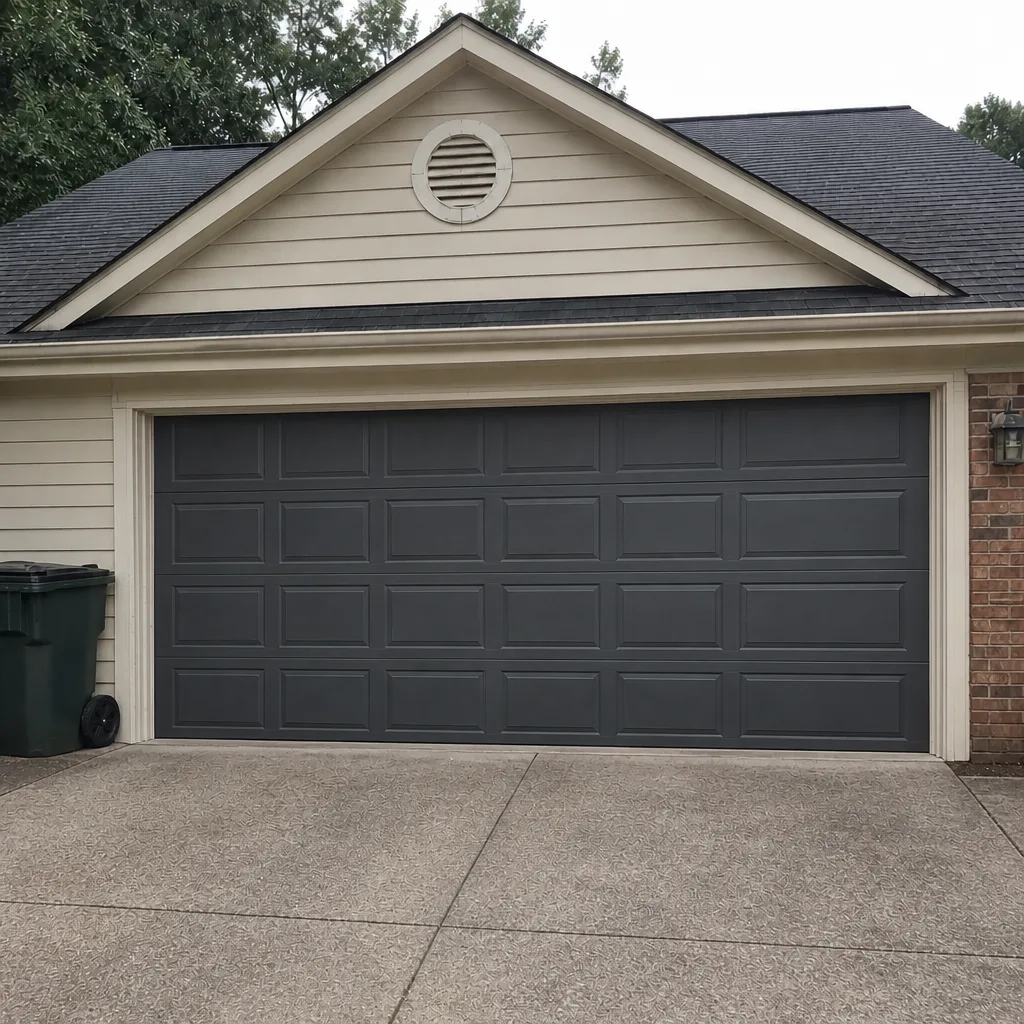
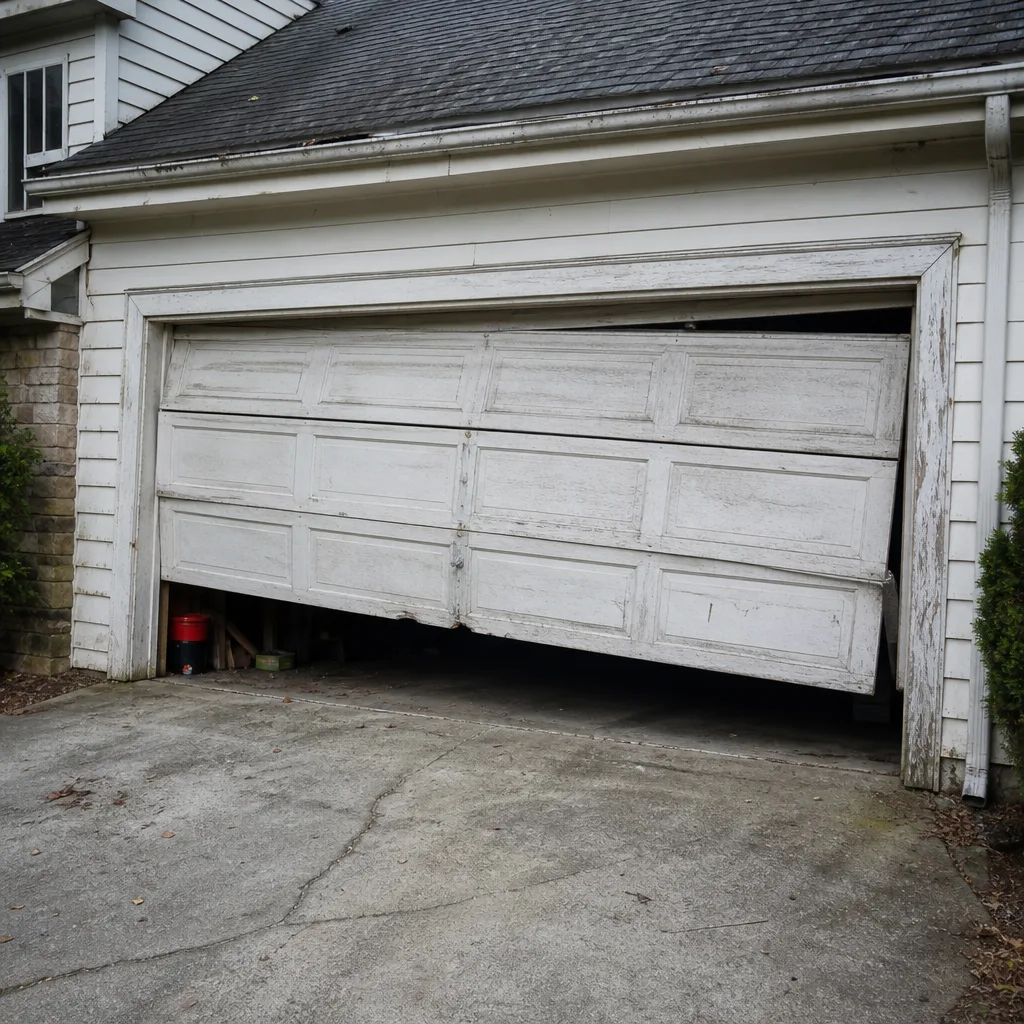
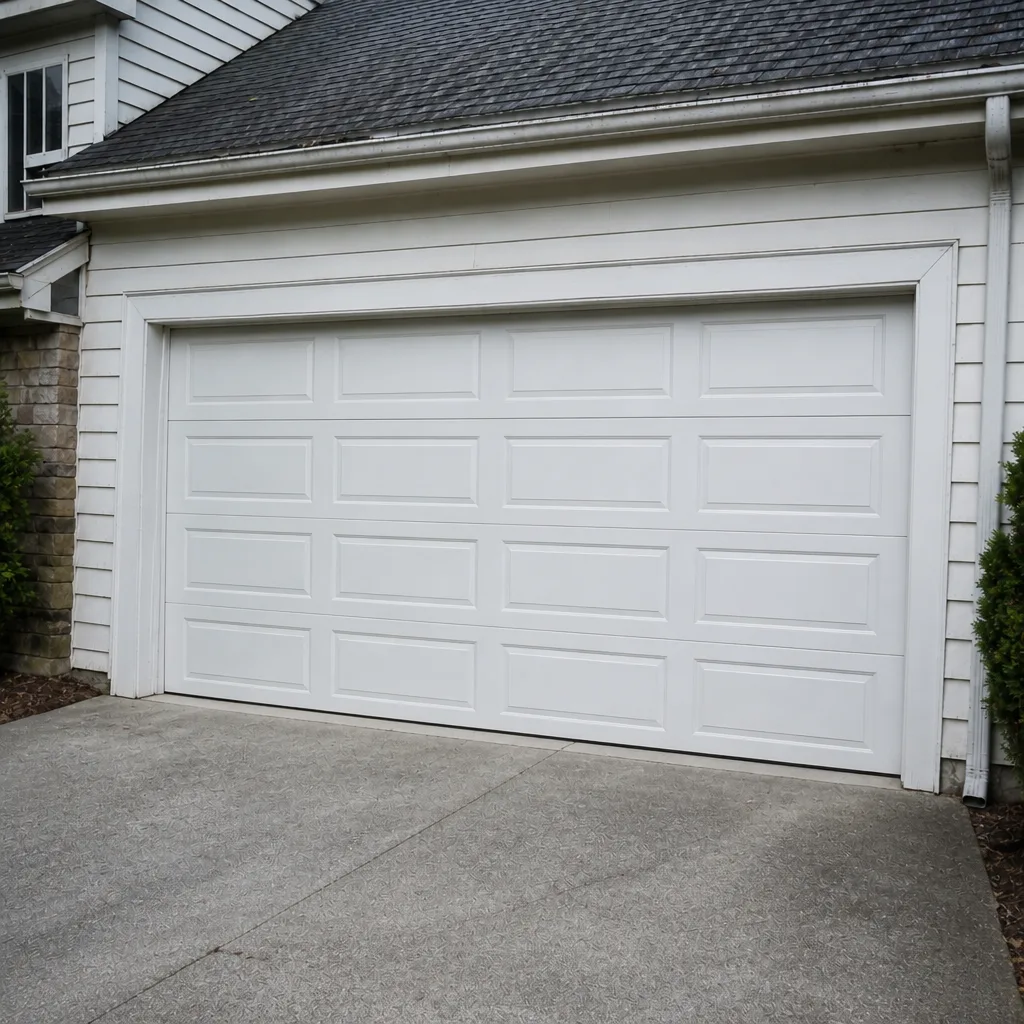
See the difference
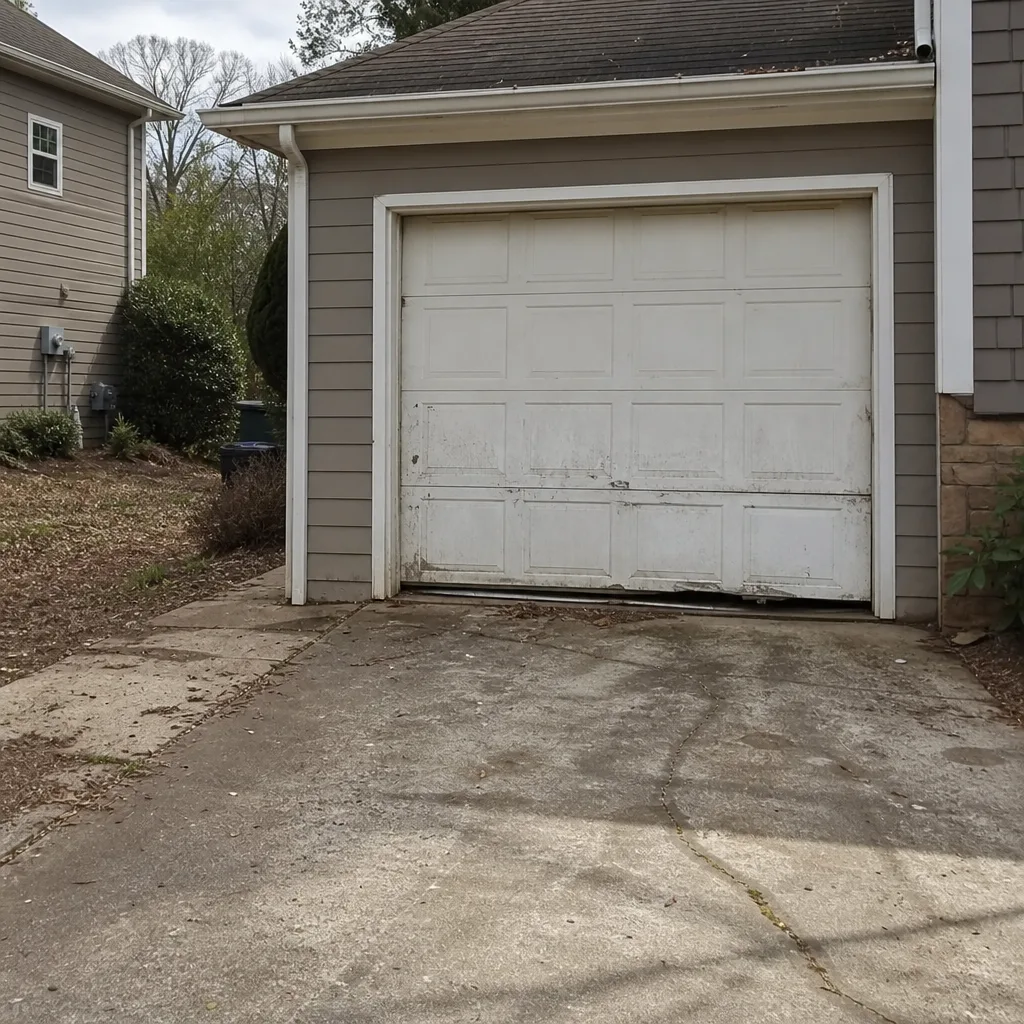 Before
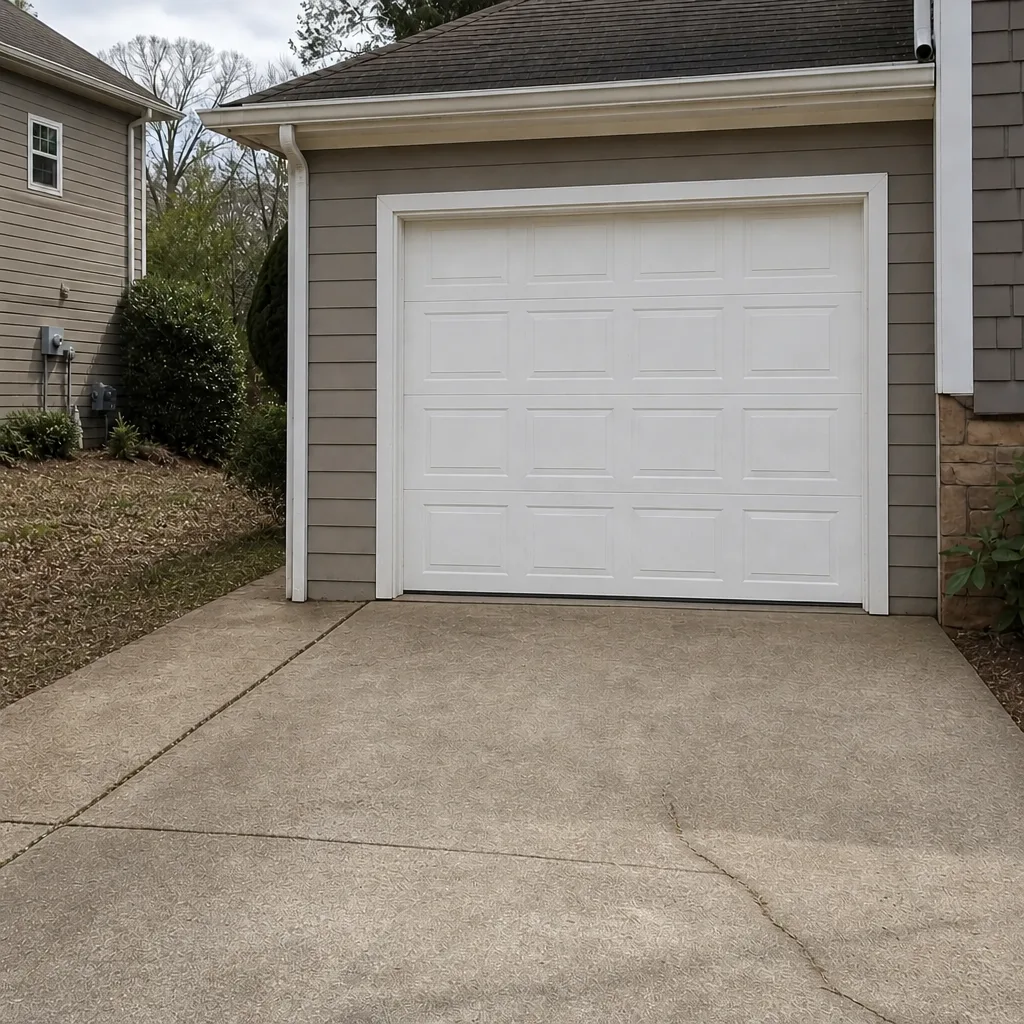 After
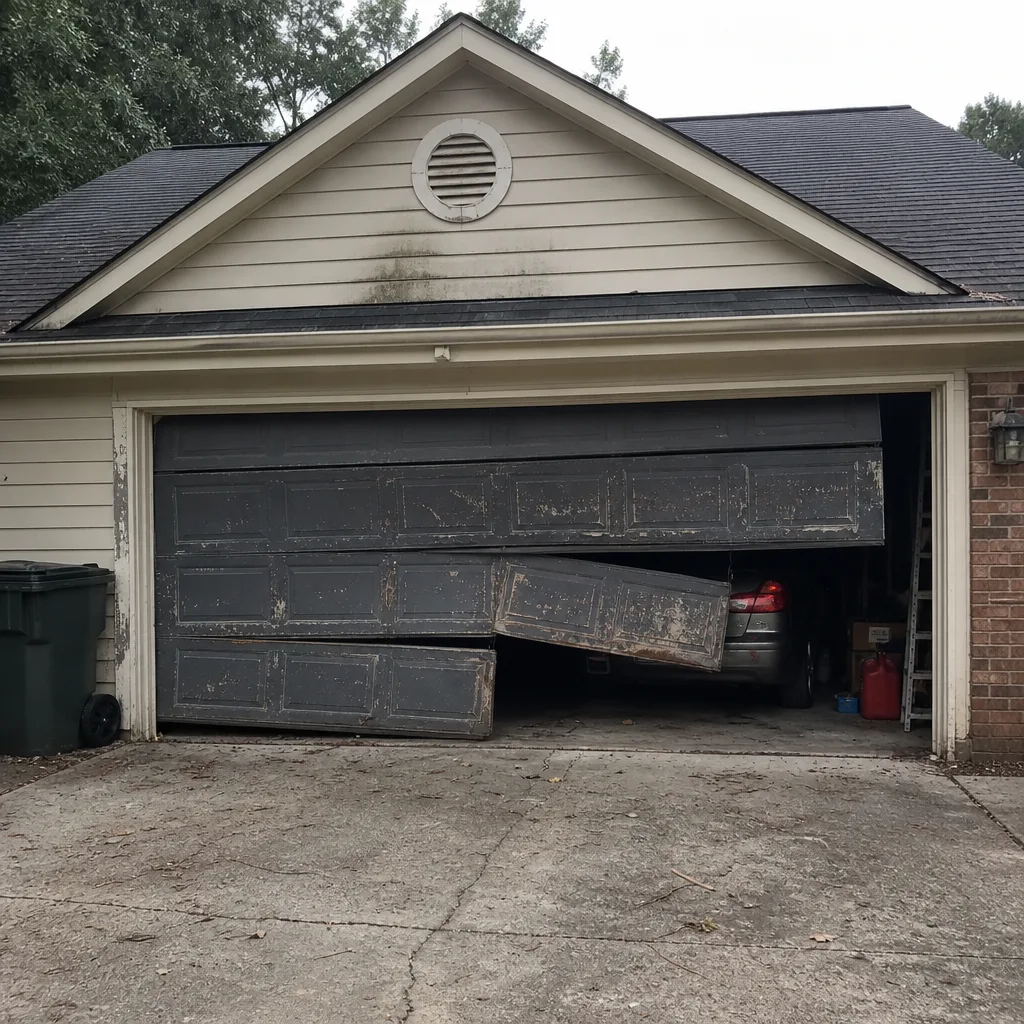 Before
 After
 Before
 After