Last updated November 22, 2026
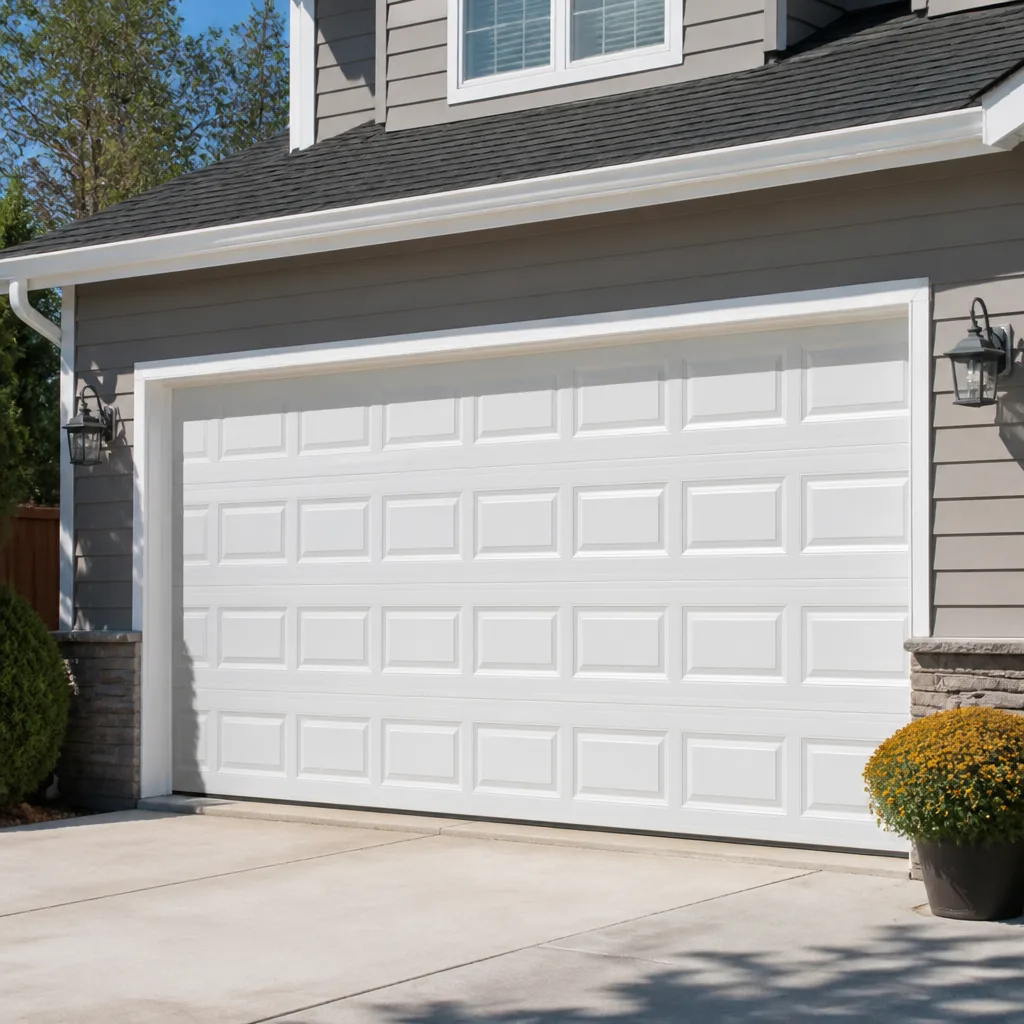 Raised-panel steel
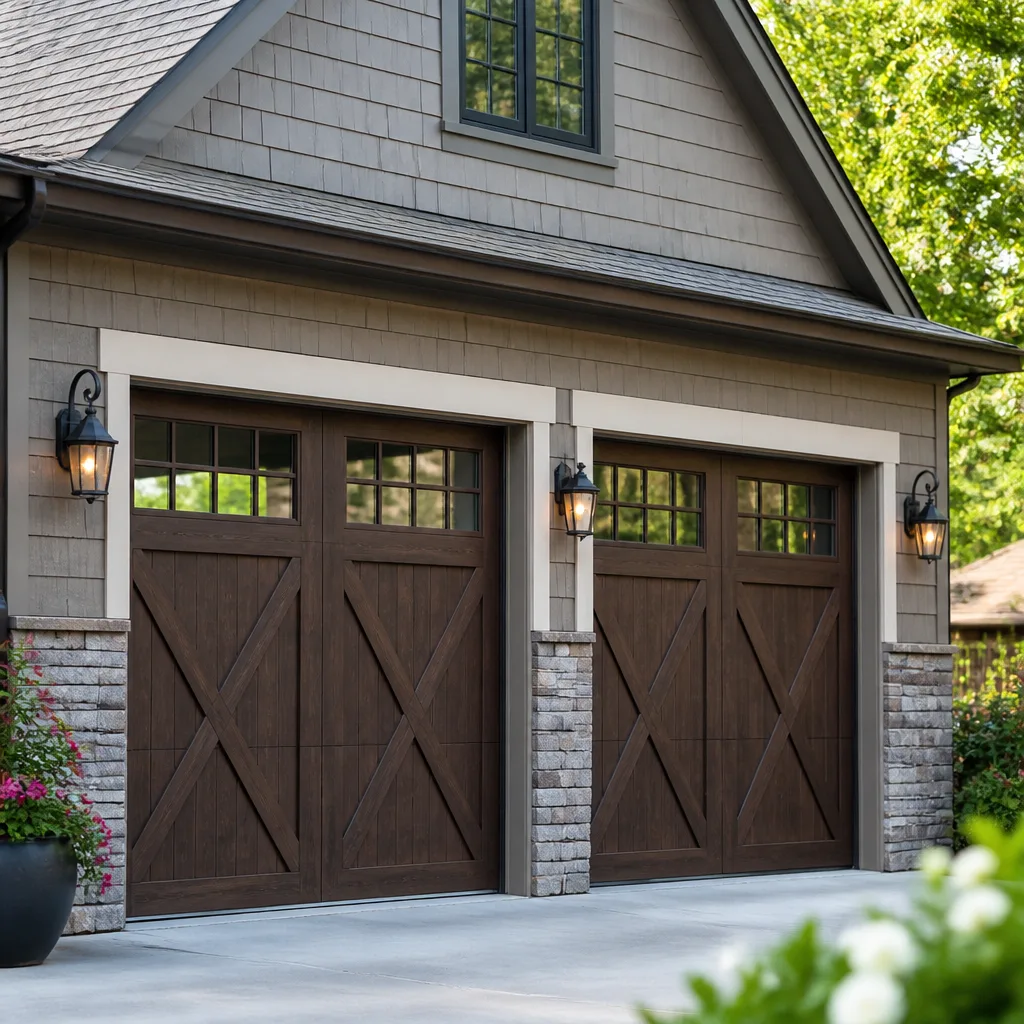 Carriage house
 Modern flush
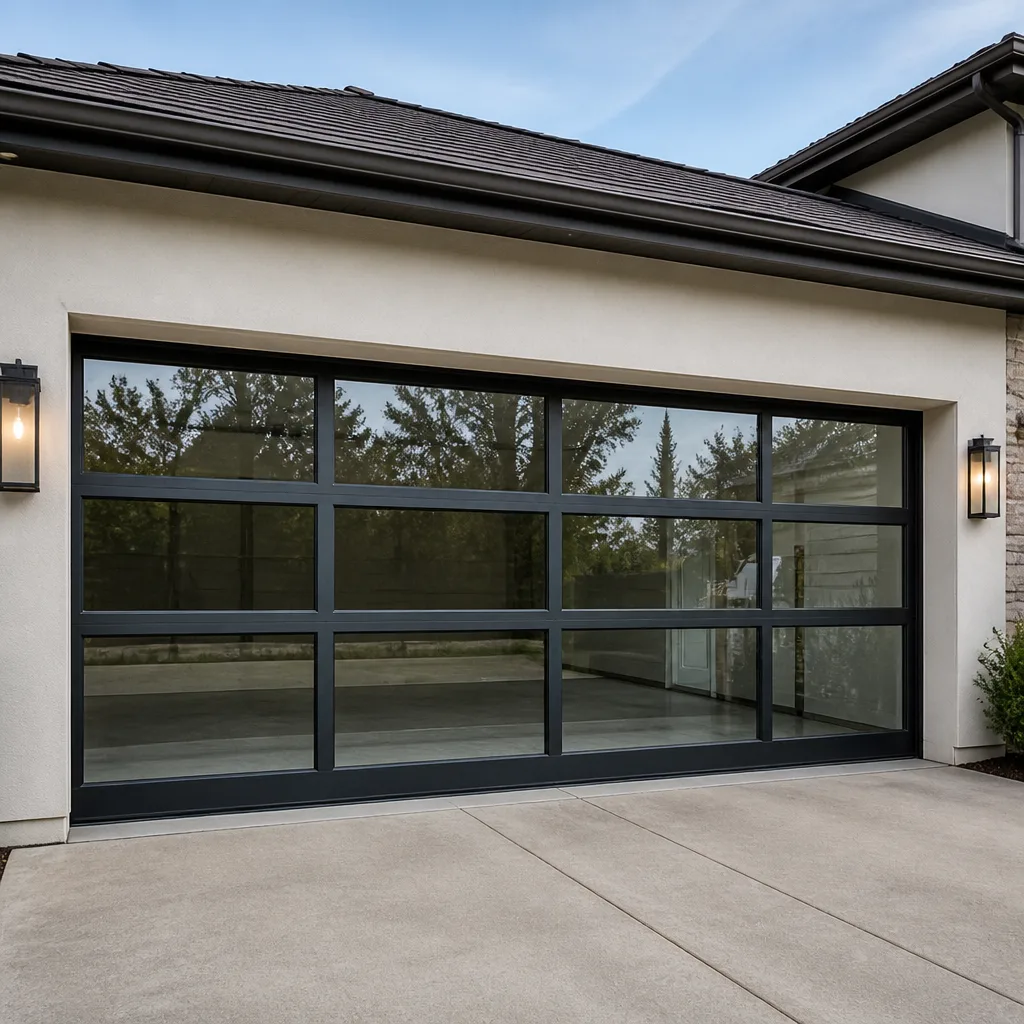 Full-view glass
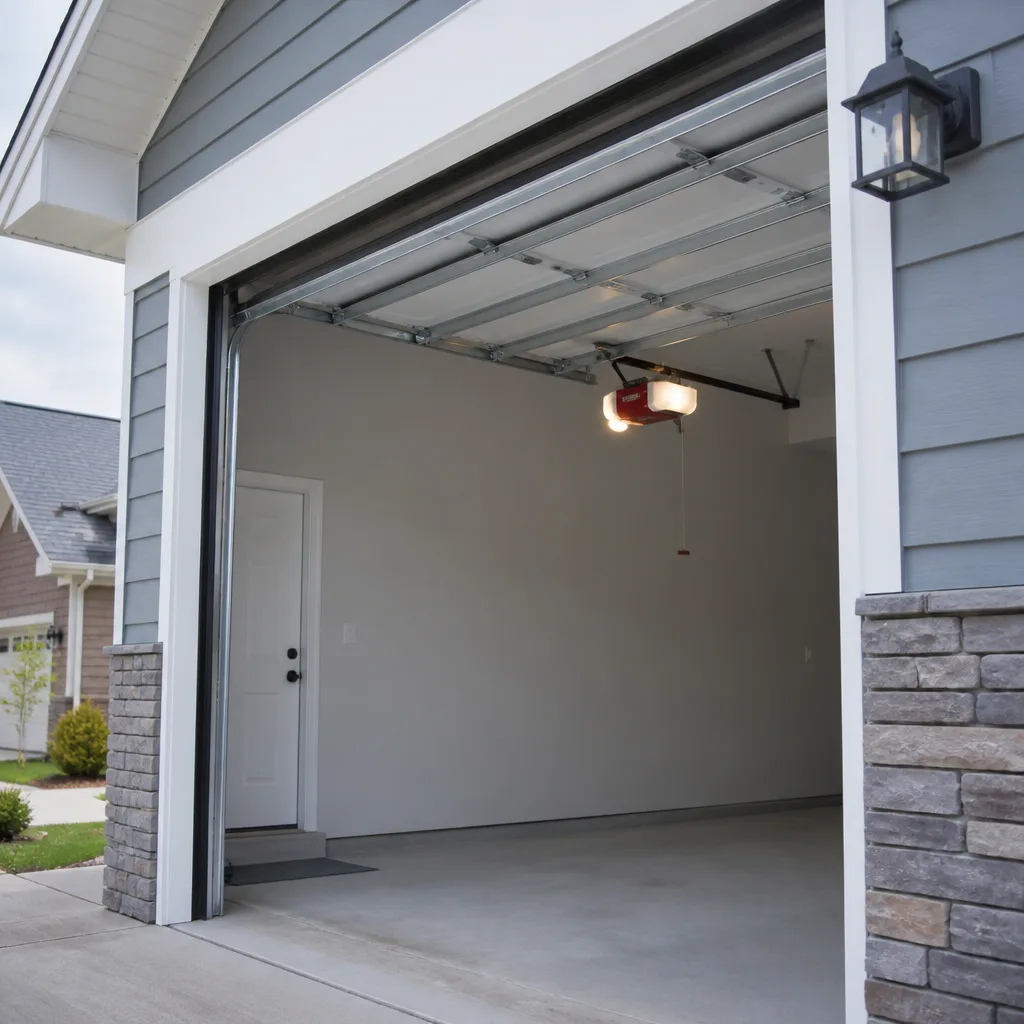 LiftMaster openers
 Chamberlain openers
Full 25-point door and opener safety check with every visit - springs, cables, rollers, tracks, and your LiftMaster or Chamberlain opener included
You get a price before we start. It does not change when the pro arrives.
Get your free estimateGarage Door Warning Signs: A Johns Creek Homeowner’s Reference Guide
A grinding sound and a squealing sound are not the same warning. One usually means a dry or worn moving part that needs lubrication. The other often means a roller is seizing and starting to bend the track it rides in. Most garage door failures announce themselves well before they happen, but only if you know how to read the sounds, the movement, and the wear patterns your door shows you every day. This guide teaches Johns Creek homeowners to tell those signals apart, understand what each one points to, and decide when to keep watching versus when to stop using the door entirely.
Quick Answer
The most common garage door warning signs are grinding, squealing, popping, or rattling noises, a door that moves unevenly or jerks, frayed or kinked cables, visible spring gaps, cracked panels, a worn bottom seal, and an opener that strains or reverses. Some of these are watch-and-wait issues; others, especially popping sounds, sagging, or cable damage, mean stop using the door and call a professional.
Styles & brands we work with
- Raised-panel steel
- Carriage house
- Modern flush
- Full-view glass
- LiftMaster openers
- Chamberlain openers
Table of Contents
- Why Warning Signs Matter More Than the Breakdown Itself
- A Sound-by-Sound Diagnostic: Grinding, Squealing, Popping, and Rattling
- Visual Symptoms Homeowners Consistently Overlook
- A Slow Door: Dying Opener Motor vs. Failing Spring Tension
- How to Read the 50/50 Balance Test
- Watch-and-Wait vs. Stop-Using-the-Door-Now
- Local Context: What Johns Creek Homes Teach Us About Garage Doors
- The Five Emergencies These Signs Precede
Why Warning Signs Matter More Than the Breakdown Itself
A garage door that suddenly stops working usually didn’t fail without notice. It failed after weeks or months of small signals that went unread. In our experience, the difference between a quick, predictable repair and a much larger one often comes down to how early the homeowner recognized what the door was telling them.
Johns Creek is a community where the garage door is often the main entry to the house. Families come and go several times a day, so the door cycles far more than a door used only for parking. More cycles mean more wear on the springs, rollers, and cables, which is exactly why the warning signs are worth learning. A door that cycles a dozen times a day will show its wear sooner than one used twice a day.
There’s a practical reason to read the signs early, too. Regular observation helps you catch a problem before it turns into an emergency call, and it lets you describe the issue clearly when you do call. A homeowner who says “it pops twice when it starts up and the door looks crooked” gets a faster diagnosis than one who says “it’s making a weird noise.” Technicians who are familiar with the major brands – LiftMaster, Chamberlain, Genie, Clopay and others – can often narrow the cause from a precise description alone.
This guide is built around the five most common garage door emergencies we handle, and the specific warning signs that come before each one:
- A snapped spring, usually preceded by a loud popping sound and visible spring separation.
- A door that comes off its track, usually preceded by rattling, uneven movement, or a bent roller.
- A snapped or frayed cable, usually preceded by visible fraying or a slack cable on one side.
- An opener that fails, usually preceded by slowing movement, straining, or the door reversing.
- A door that won’t open or close at all, usually preceded by balance problems or a jammed track.
None of these appear from nowhere. Each starts small. The sections ahead decode them one at a time.
A Sound-by-Sound Diagnostic: Grinding, Squealing, Popping, and Rattling
Every garage door noise points to a specific part. This is where most vague advice fails, so here’s the part-by-part read. No hedging, no “it could be several things.”
Grinding
Grinding is metal-on-metal contact. It typically comes from dry or worn rollers, a lack of lubrication on the hinges, or a misaligned track where the roller is riding against the rail. If the grinding is low and steady, it’s often a lubrication or roller-wear issue. If it’s a harsher, sanding-like sound, the track may be off center and the roller may be grinding its edge against it. Grinding is generally a watch-and-attend issue, but it should not be ignored for long, because continued grinding wears the parts faster.
Squealing
Squealing is a high-pitched, continuous sound and points to friction without metal-on-metal contact. The usual sources are dry hinges, a dry torsion tube, or a roller bearing that’s losing its grease. Squealing is the easiest warning sign to address, and lubrication is often all it takes. A door that squeals and is also slow to move may have two separate issues, so listen for both.
Popping
A loud pop, especially when the door first starts to open or close, is a serious signal. It often points to a torsion spring that has cracked or is about to snap, or a cable that has come loose from its drum. A single pop followed by a door that suddenly feels light or won’t lift at all means the spring has likely failed. Stop using the door and call a professional. This is the one sound that moves the door into the “stop now” category on its own.
Rattling
Rattling is a loose-hardware sound. It usually comes from loose bolts, a worn hinge, a loose bottom bracket, or a roller that has shifted out of its track. Rattling is generally a watch-and-tighten issue, but it deserves attention because loose hardware can progress to a roller jumping the track. If the rattling is accompanied by a door that visibly shakes or moves unevenly, treat it as more urgent.
The key point: grinding, squealing, popping, and rattling each map to a different part and a different level of urgency. A homeowner who can identify the sound can describe the problem accurately and get the right response the first time.
Visual Symptoms Homeowners Consistently Overlook
Not every warning sign is audible. Some of the most important ones are visible but easy to miss because they develop slowly and sit in areas homeowners don’t routinely inspect.
Cable Fraying
The cables on a garage door run along the sides and are under high tension. Frayed strands, a kinked cable, or a cable hanging noticeably slack on one side are all warning signs of wear. A frayed cable is a stop-using-the-door signal. Cables and springs are under high tension and are genuinely dangerous to handle. This is a job for a trained technician, never a do-it-yourself repair.
Bottom Seal Gaps
The bottom seal, sometimes called the weather seal, runs along the bottom of the door and keeps out drafts, water, and pests. Over time it hardens, cracks, or pulls away. A visible gap between the seal and the floor lets in water and debris and puts extra load on the door. A worn seal is a watch-and-plan issue, not an emergency, but replacing it early keeps the door operating smoothly.
Panel Cracking Patterns
Cracks that radiate from a single point or appear along the edges of a panel can signal that a panel has been under stress, whether from impact or from a door that’s binding and flexing as it moves. A single hairline crack is a watch issue; multiple cracks, or a panel that looks bowed, suggest the door has lost structural integrity. A bowed or cracked panel is a stop-using-the-door-now signal, because a panel can fail under spring tension.
Sagging or Uneven Spacing
Look at the gaps between the door panels and the frame. If they’re uneven from side to side, or the door looks tilted, the track or a spring is failing. This is worth a professional look before the door jams.
Spring Gaps or Rust
The torsion spring above the door or the extension springs above the sides are the key safety components. A visible gap in a torsion spring means it has cracked. Rust on a spring shortens its life. A gap is a stop-now signal.
When we inspect a door in Johns Creek, we always check cables, the bottom seal, panel edges, and spring condition. A quick visual check takes a few minutes and can catch a problem before it becomes a breakdown. Homeowners can do the same check a couple times a year.
A Slow Door: Dying Opener Motor vs. Failing Spring Tension
A door that moves slowly looks the same whether the cause is the opener or the springs. To the eye, both present as a door that’s sluggish. The difference is in what’s failing and how you respond.
When the Opener Is the Cause
If the door is slow but glides freely when you disconnect the opener, the problem is in the opener motor or its controls. Signs include:
- The opener strains audibly, as if it’s working harder than it should.
- The door reverses partway up or down without an obstruction.
- The opener light flickers or dims when the door moves.
- The remote works intermittently, or the door only opens when you press the wall unit.
These point to a motor or logic-board issue. A skilled technician can test the opener and narrow the problem. Familiarity with common brands like LiftMaster and Chamberlain helps here, because the fault codes and diagnostic behavior vary by brand.
When the Springs Are the Cause
If the door is slow and also feels heavy or stiff when you disconnect the opener, the springs are likely losing tension. Springs counterbalance the door’s weight, and when they weaken, the opener has to lift more of the door’s weight on its own. This makes the door seem slow and also puts strain on the opener. Eventually, the springs fail completely.
The Quick Distinction
- Disconnect the opener using the release pull.
- Lift the door by hand halfway.
- Let go and watch.
If it glides easily and stays put, the springs are doing their job and the opener is likely the issue. If it feels heavy, binds, or drifts down quickly, the springs or door balance are the problem. Either way, don’t keep opening and closing a heavy door. That overloads the opener and can turn a spring repair into a spring-plus-opener repair.
For a deeper look at how we handle opener-specific issues, see our page on garage door opener repair.
How to Read the 50/50 Balance Test
The 50/50 lift test is a simple diagnostic homeowners can do safely to check whether their door is balanced. It’s not a repair method; it’s a way to read what the door is telling you.
How to Do It
- Close the door fully and keep it closed.
- Pull the emergency release handle to disconnect the opener.
- Lift the door halfway up by hand, to about waist height.
- Let go and step back and watch what happens.
What the Result Means
A balanced door should stay roughly where you leave it, or drift only slightly. If it stays at waist height or drifts a few inches, the door is balanced and the springs are doing their job. If it drifts down more than that, the springs are weak and the door is fighting you. If it drifts up on its own, a spring may be overtensioned or the door may be misbalanced.
Here’s a simple way to read the results:
- Stays roughly in place or drifts a few inches: normal, watch and recheck in a few months.
- Drifts down significantly when released: weak springs, plan for a professional check.
- Drifts up when released: over-tensioned or misbalanced, call a professional.
- Falls quickly with any speed: stop using the door and call. Do not try to catch it.
Important safety note: do the test by hand only, never with the opener engaged, and never reach under a door that is moving. Never attempt to adjust springs or cables yourself. Torsion springs and cables are under high tension and can cause serious injury. This is one of the reasons we handle spring repair as a core service, not an add-on. If the door fails the balance test, stop using it and call a professional.
Watch-and-Wait vs. Stop-Using-the-Door-Now
Not every warning sign demands the same response. Some you can monitor; some mean the door shouldn’t move again until it’s been checked. Sorting them correctly is the most useful skill this guide can teach.
Watch-and-Wait Signs
- Light squealing or grinding that has appeared recently and isn’t getting worse.
- Minor rattling from loose hardware that can be tightened.
- A small bottom-seal gap that isn’t letting in water or debris.
- A single hairline crack in one panel, with no bowing.
- A door that drifts a few inches in the balance test but otherwise moves smoothly.
Watch-and-wait doesn’t mean ignore. Check these weekly, and call if they get worse or if a second sign appears.
Stop-Using-the-Door-Now Signs
- A loud pop, or a visible gap in the torsion spring.
- A spring or cable that looks obviously broken or slack.
- Visible cable fraying or a cable that jumps off its drum.
- A door that moves unevenly, shakes, or looks crooked.
- A door that fails the balance test badly, especially if it falls fast.
- A panel that’s cracked in multiple places or visibly bowed.
- A door that reverses or won’t stay down, or a door that comes off its track.
When one of these shows up, keep the door closed and call. Using a door with a failed spring or cable can cause the door to drop suddenly. On a torsion spring system, that’s a serious hazard. On a door that’s off its track, using it can bend panels and turn a smaller repair into a larger one.
How to Decide
Ask three questions:
- Does the door move smoothly, or does it jerk?
- Is the sound steady, or sudden?
- Does the door hold its own weight?
If the door moves smoothly, the sound is steady, and it holds its weight, it’s usually watch-and-wait. If any of those is off, stop and call.
If you’re in Johns Creek and aren’t sure which category your door falls into, call us and we’ll help you decide. A quick conversation can save you a much bigger repair.
Local Context: What Johns Creek Homes Teach Us About Garage Doors
Johns Creek homes sit in a region with hot, humid summers and frequent spring and summer thunderstorms. That climate has a predictable effect on garage doors. Humidity accelerates rust on spring coils, and the heating and cooling cycle works on the seals and the hinges. Doors in Johns Creek often show seal wear and spring rust earlier than doors in drier climates. That’s why we tell homeowners here to check the bottom seal and the spring condition more often than the national average would suggest.
Johns Creek is also a community of young and established families, and that means a lot of homes have doors that are in daily, heavy use. Many homes are in developments where the original builder installed a door and the family has been using it since. Over the years, the door gets cycled far more than the original spec anticipated, and the springs, rollers, and cables wear accordingly.
Another local factor is the driveway layout. Many Johns Creek homes have a sloped driveway leading to the garage, and a door that’s slightly out of balance on a slope is more noticeable and more of a strain on the opener. A door that seems to hang or slam on the way down is a signal worth reading.
We focus exclusively on garage doors and openers in Johns Creek and the surrounding area. We don’t do general home repair, and we don’t treat garage door work as a side job. That focus is why our technicians can read these warning signs quickly and explain them in plain terms. When you call, you’ll talk to someone who works with doors every day, and who can tell you whether it’s a spring, a cable, an opener, or a balance issue.
If you’re planning ahead and want to understand what a full replacement involves, our page on garage door installation covers that process in detail.
The Five Emergencies These Signs Precede
It helps to know where the symptoms lead. These are the five most common garage door emergencies we handle, and the warning signs that come first.
1. A Snapped Spring
Warning signs: a loud pop, visible spring gap, a door that suddenly feels very light, or a door that won’t lift. Springs are under high tension and should only be replaced by a trained technician.
2. A Door Off Its Track
Warning signs: rattling, a door that moves unevenly, a bent roller, or a track that looks misaligned. Using a door that’s off-track can bend panels and make the repair bigger.
3. A Snapped or Frayed Cable
Warning signs: visible cable fraying, a slack cable on one side, or a cable that jumps off its drum. Like springs, cables are under high tension and are dangerous to handle yourself.
4. An Opener Failure
Warning signs: a slowing door, a straining opener, a door that reverses without obstruction, or a remote that works only intermittently. A dying opener usually gives plenty of warning.
5. A Door That Won’t Open or Close
Warning signs: a failed balance test, a jammed track, or a door that stops partway. This is usually the result of a problem that was growing for a while.
Each emergency has a warning sign that precedes it, and each is easier to handle when caught early. Our Johns Creek Garage Door Repair team handles all five regularly. We work on what you already own, rather than steering you toward a new system, and our technicians are trained on LiftMaster, Chamberlain, Genie, Clopay, and other major brands. That means fewer return trips and a faster diagnosis.
Common Mistakes to Avoid
- Ignoring a pop. A single loud pop is often a spring failing. If you keep using the door, you can overload the opener or cause the door to drop. Treat it as a stop sign, not a warning light.
- Trying to fix a spring or cable yourself. These parts are under high tension. In Johns Creek, where humidity accelerates spring rust and wear, a weakened spring is even more dangerous to handle. Leave spring and cable work to a professional.
- Confusing a slow door with a weak opener. A door that’s slow because the springs are failing needs spring work, not a new opener. Replacing the opener first only buys time and leaves the real problem in place.
- Skipping the balance test. The 50/50 lift test takes two minutes and tells you whether the door is balanced. Skipping it means you miss one of the earliest warning signs.
- Waiting out a rattling track. Rattling often means a roller is starting to come free. Waiting can let the door jump the track, which is a bigger repair than a tightened roller.
- Assuming a brand is “too old.” We work on what you already own, and an older opener or door can often be repaired. A brand-agnostic technician can fix what a generalist might tell you to replace.
- Letting the bottom seal go. In a humid Johns Creek climate, a cracked seal lets in water and pests and puts strain on the door. It’s a small, low-cost part that protects the whole system.
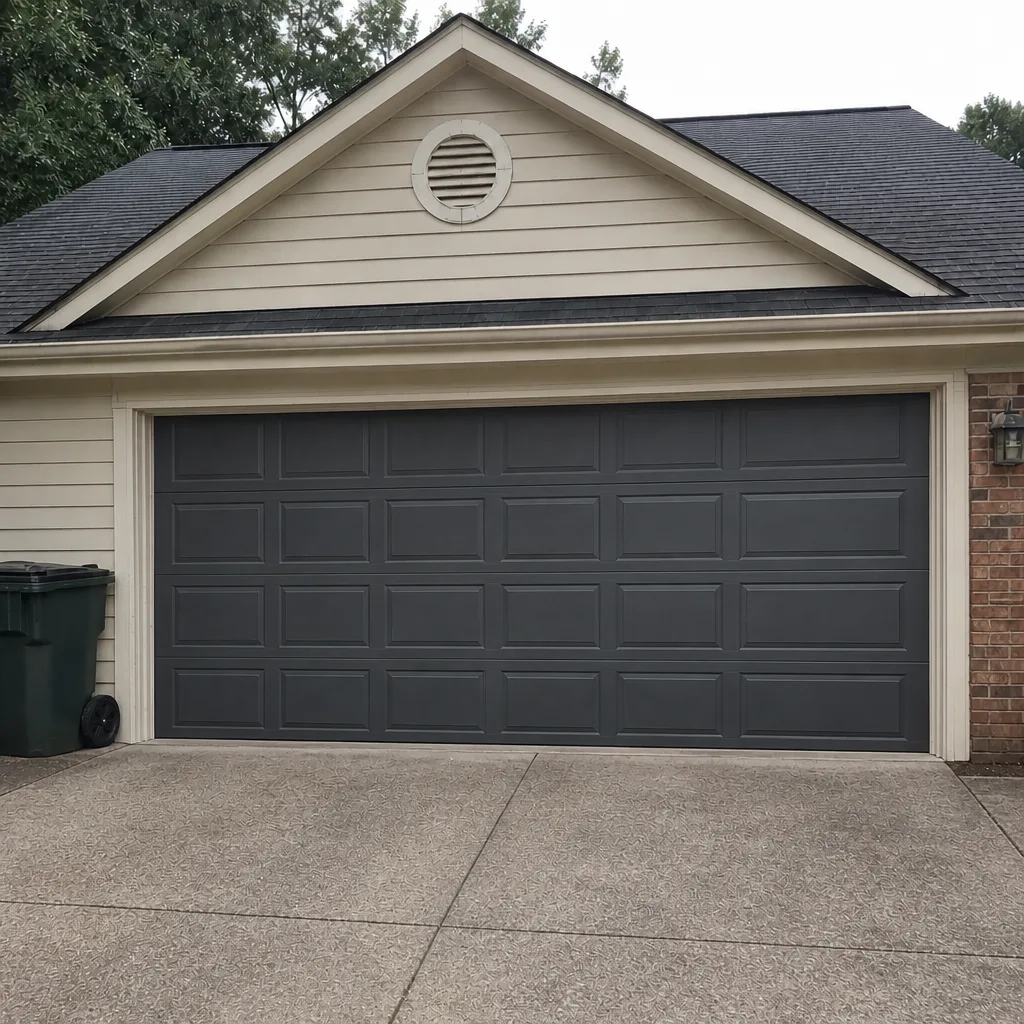
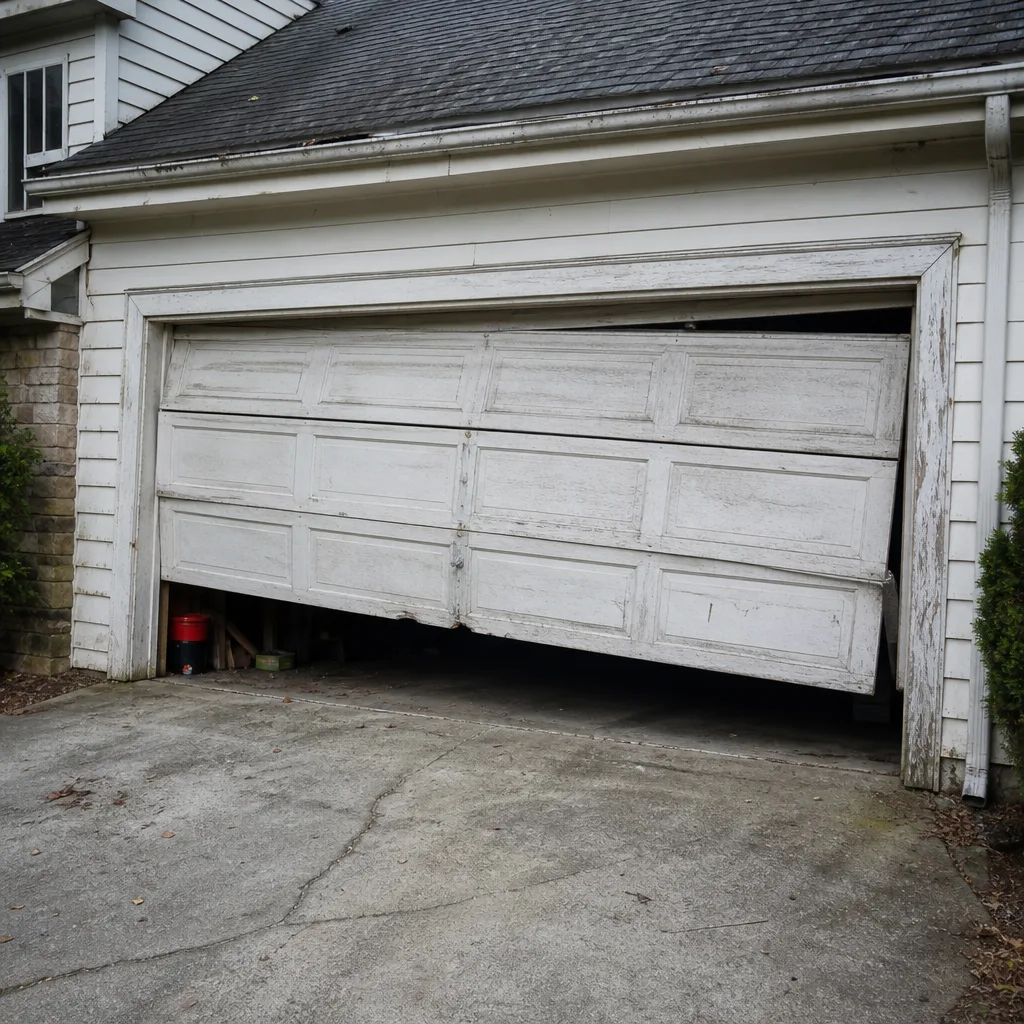
See the difference
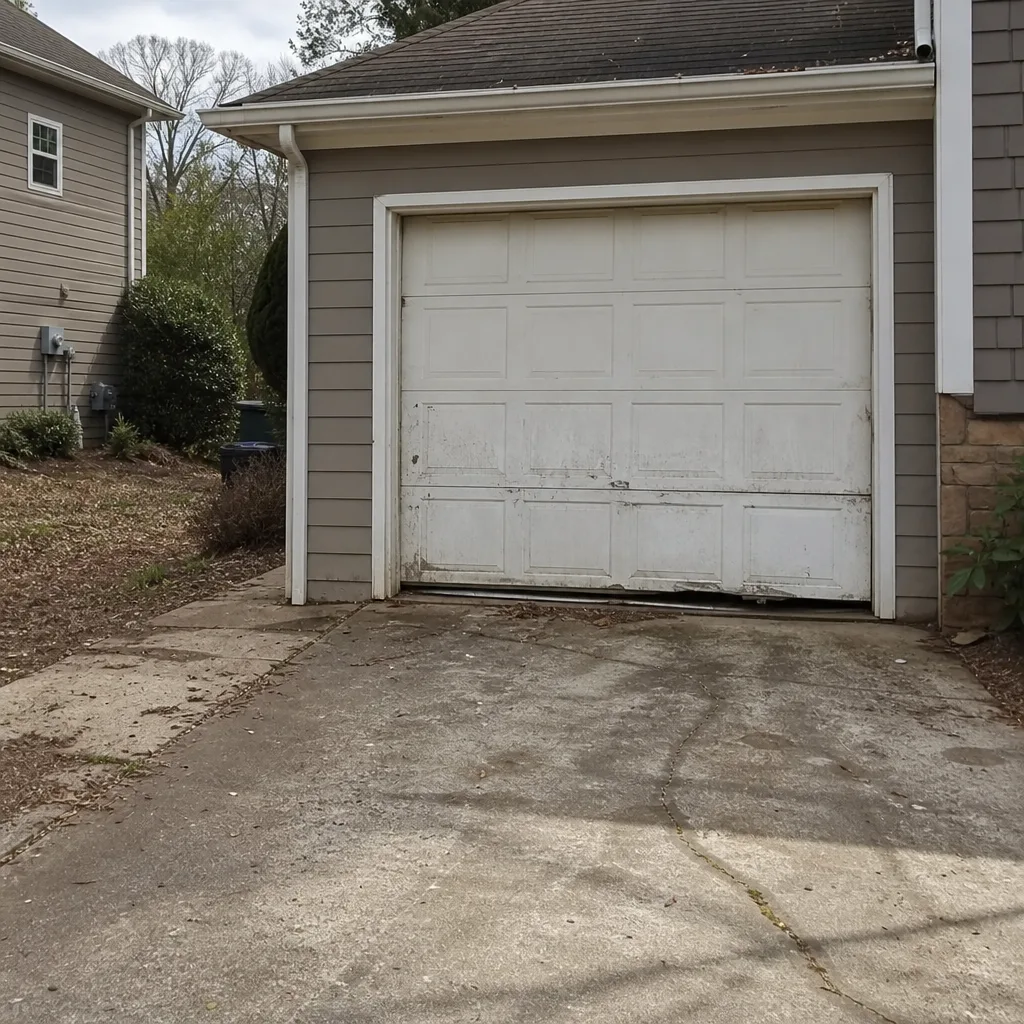 Before
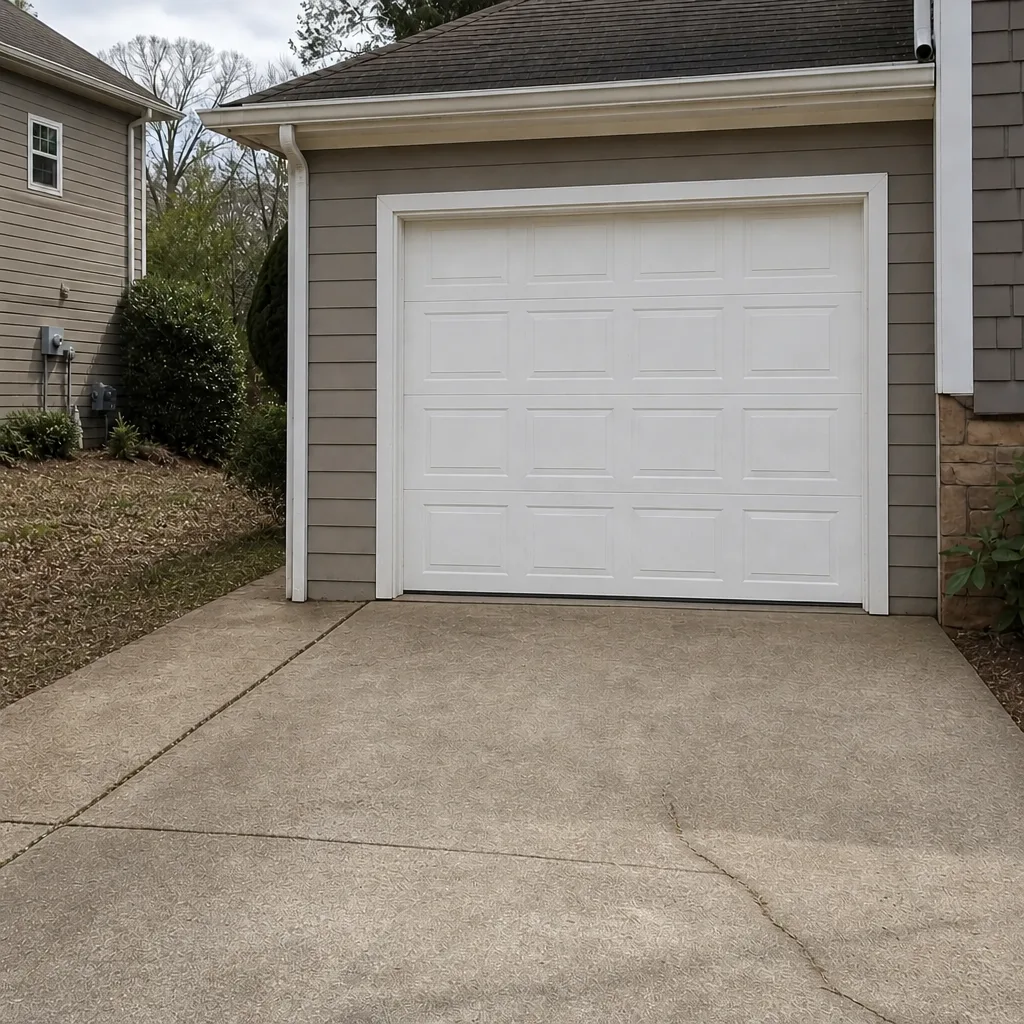 After
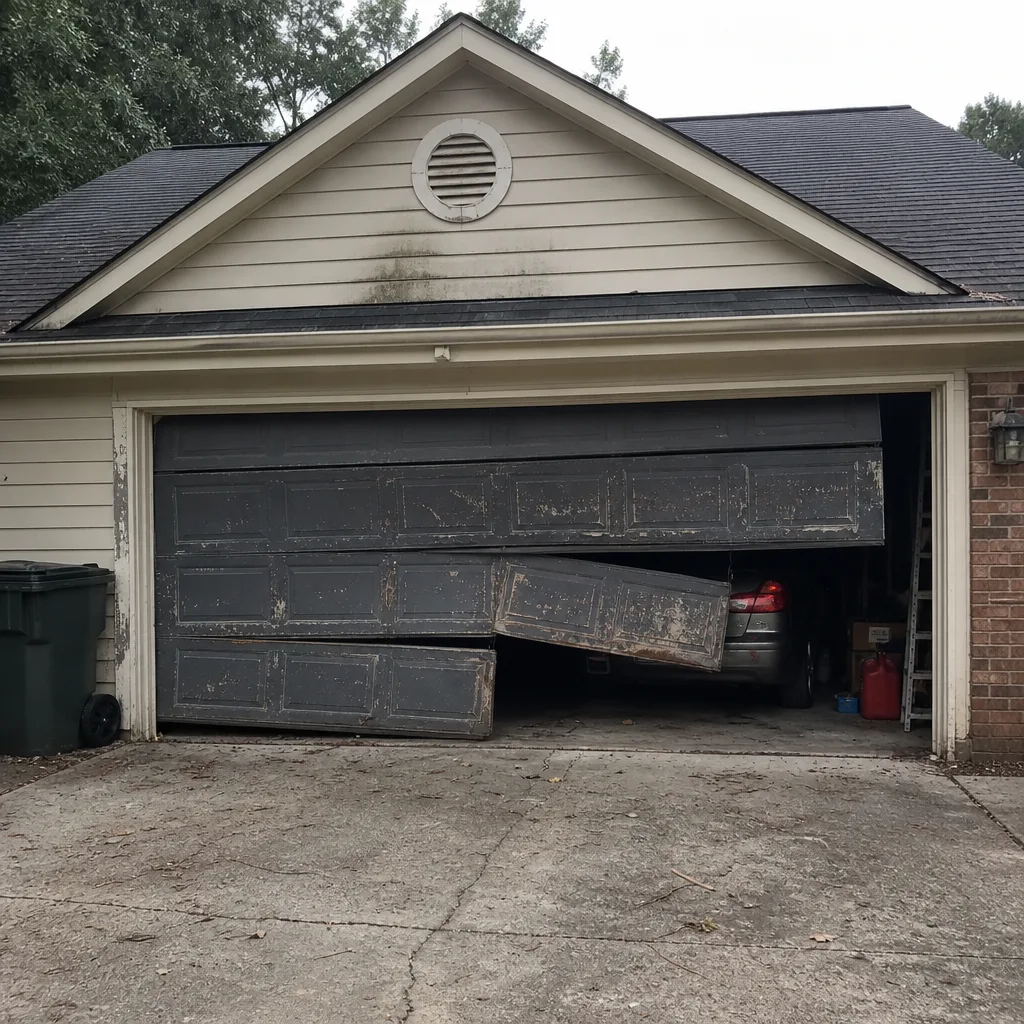 Before
 After
 Before
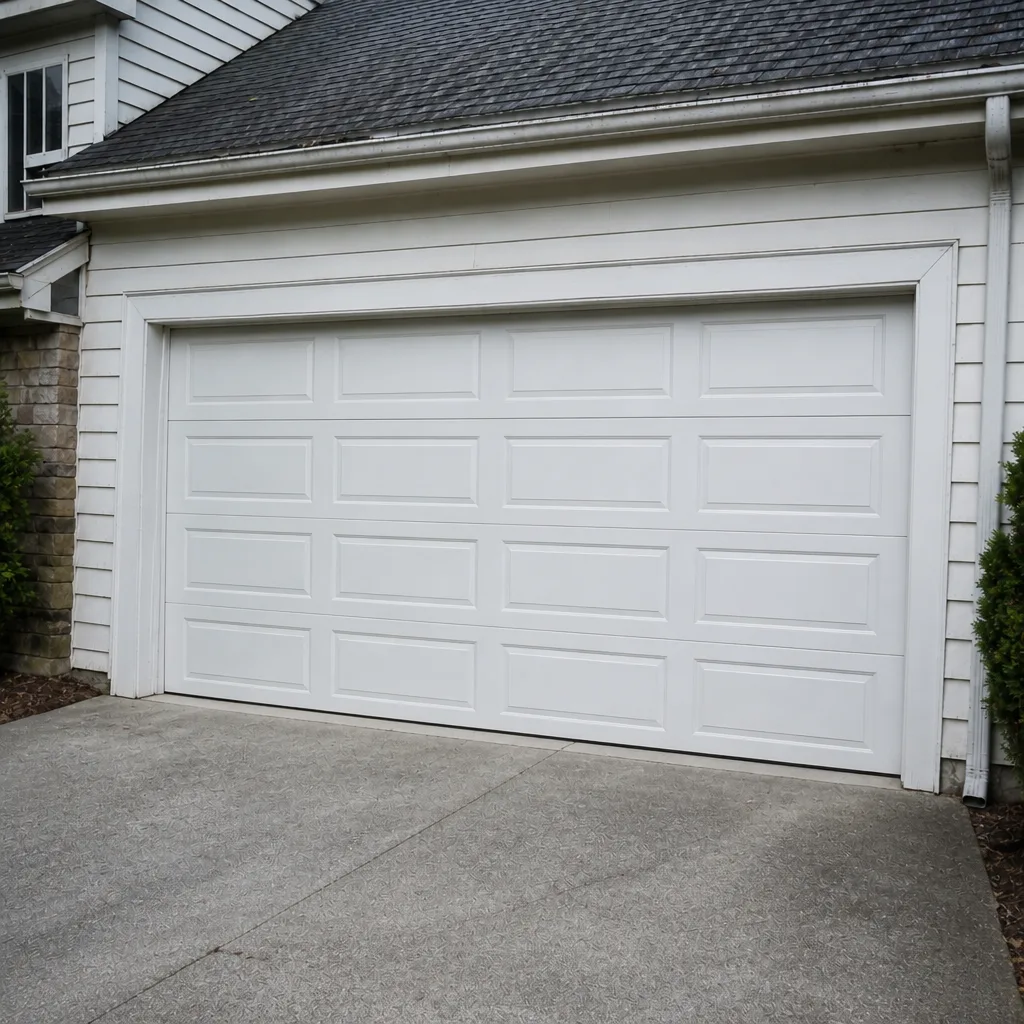 After
When to Call a Professional
Call a professional when you hear a pop, see a gap in a spring, notice cable fraying, or watch the door move unevenly. Also call when the door fails the balance test, when the opener strains or reverses for no reason, or when a door that’s a few years old suddenly starts to jerk. These are signs that a trained technician should look at the door before it fails completely. A technician trained on the major brands can often diagnose a problem from a short phone description and arrive with the right parts.
We offer free estimates in Johns Creek. If you’re not sure whether your door needs a repair or just a tune-up, call us and we’ll help you figure it out. Johns Creek Garage Door Repair offers free estimates in Johns Creek – call (855) 674-0828.
Frequently Asked Questions
The most common warning signs are grinding, squealing, popping, or rattling noises, a door that moves unevenly, frayed or kinked cables, visible spring gaps, panel cracking, a worn bottom seal, and an opener that strains or reverses. In Johns Creek’s humid climate, seal wear and spring rust show up earlier than in drier areas. If you notice any of these, call (855) 674-0828 for a free estimate.
Spring repair typically starts in the low hundreds of dollars and goes up from there depending on the spring type, the door’s weight, and whether the job is a single spring or a matched pair. A matched pair is usually replaced together, so it costs about twice a single spring. We quote the price and agree it before any work starts, so you’ll know the total up front. Call (855) 674-0828 for an exact quote – estimates are free.
No. A popping sound often means a torsion spring has cracked or is about to fail, and using the door can cause it to drop suddenly. Keep the door closed and call a professional. Call (855) 674-0828 and we’ll help you decide the next step.
Disconnect the opener and lift the door by hand. If it glides easily and stays put, the opener is the likely cause. If it feels heavy, binds, or drifts down, the springs or door balance are the issue. Either way, don’t keep running a heavy door. Call (855) 674-0828 for a diagnosis.
A pop, a visible spring gap, frayed cables, a door that moves unevenly, or a door that fails the balance test badly are all urgent. Light squealing, minor rattling, or a small seal gap can be watched and rechecked. If you’re unsure, call (855) 674-0828 and we’ll help you sort it out.
The written estimate sets the final price. We quote and agree the price before any work starts, so there’s no surprise invoice. If the job turns out to be different from what you described, we’ll explain why before doing anything. Call (855) 674-0828 for a free estimate.
The Bottom Line
Garage door failures almost always give warning. A grind, a squeal, a pop, or a rattle each point to a different part and a different level of urgency. Learn the sounds, check the visual signs a couple times a year, and run the 50/50 balance test to read the door’s health. Sort what you find into watch-and-wait and stop-now, and call a professional for any stop-now sign. In Johns Creek’s humid climate, spring rust and seal wear show up early, so those checks are worth doing more often. We work on what you already own and we’re ready when the door won’t move.
Whether you need a repair, a spring fix, or a full replacement, our team can help. For more on routine repair work, see our garage door repair page.
Call Johns Creek Garage Door Repair at (855) 674-0828 for a free estimate. We’ll help you read the signs, fix the problem, and get your door moving again.
Written by the team at Johns Creek Garage Door Repair.