Last updated November 22, 2026
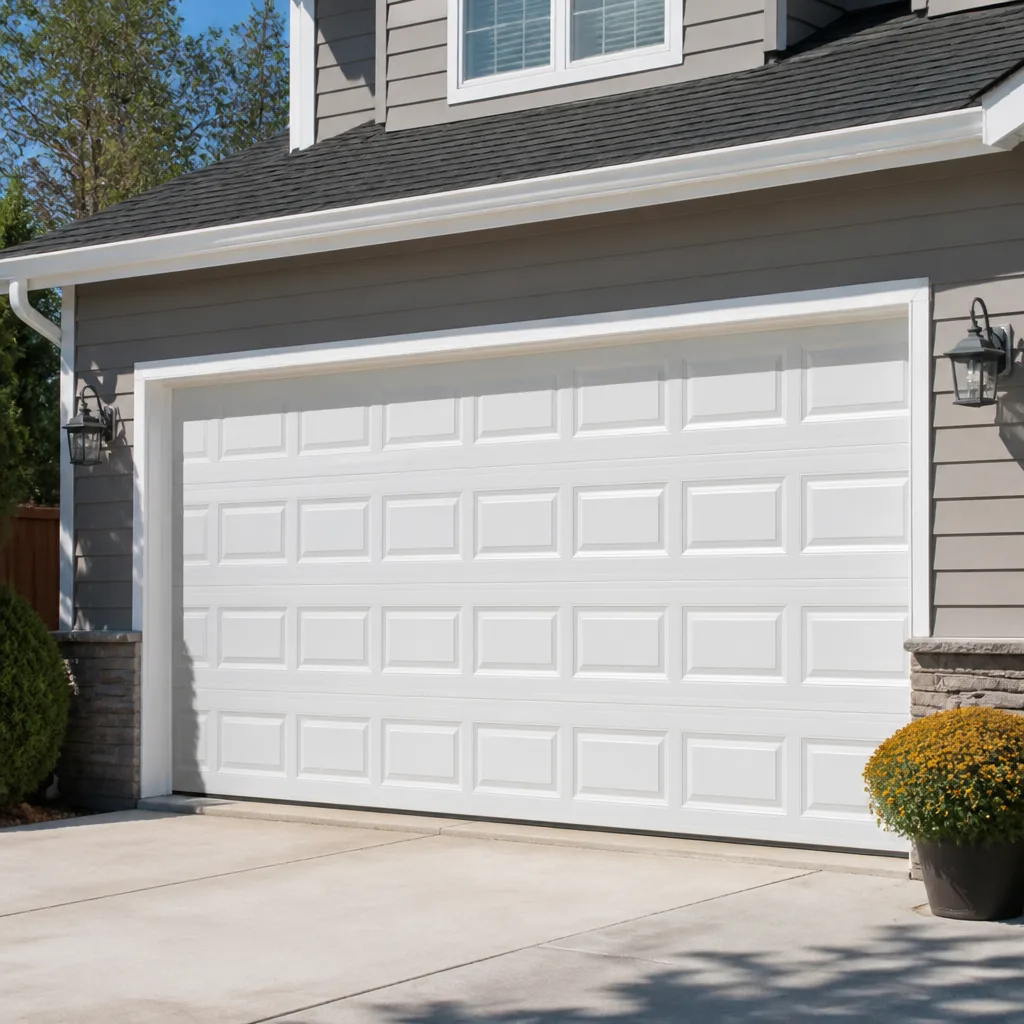 Raised-panel steel
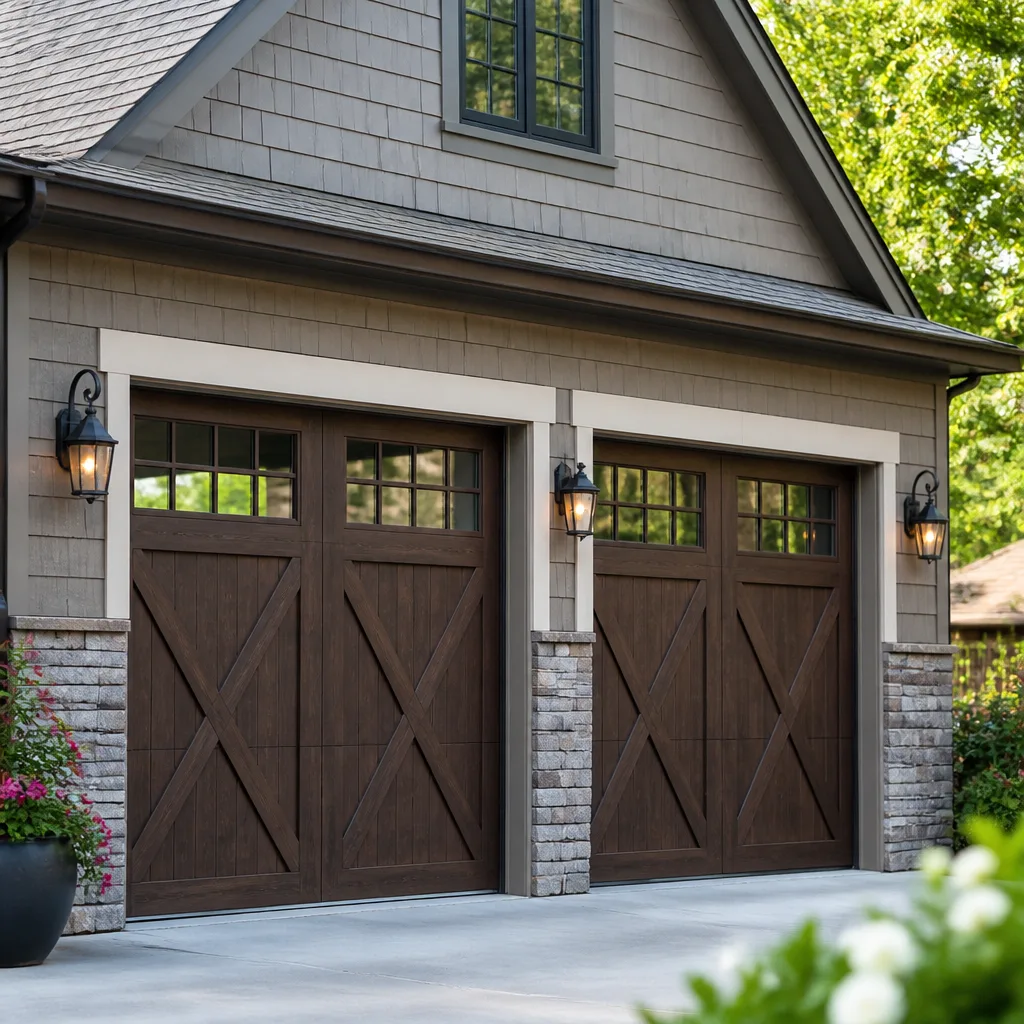 Carriage house
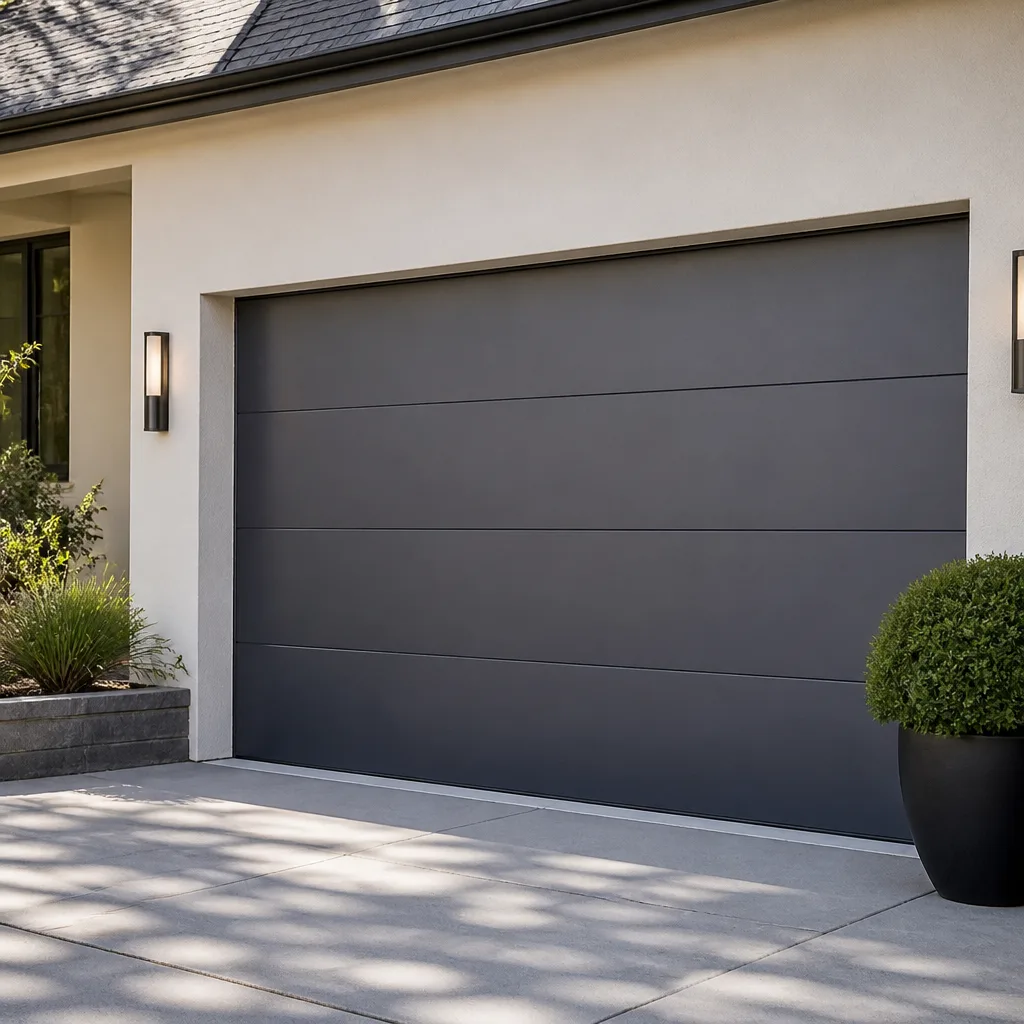 Modern flush
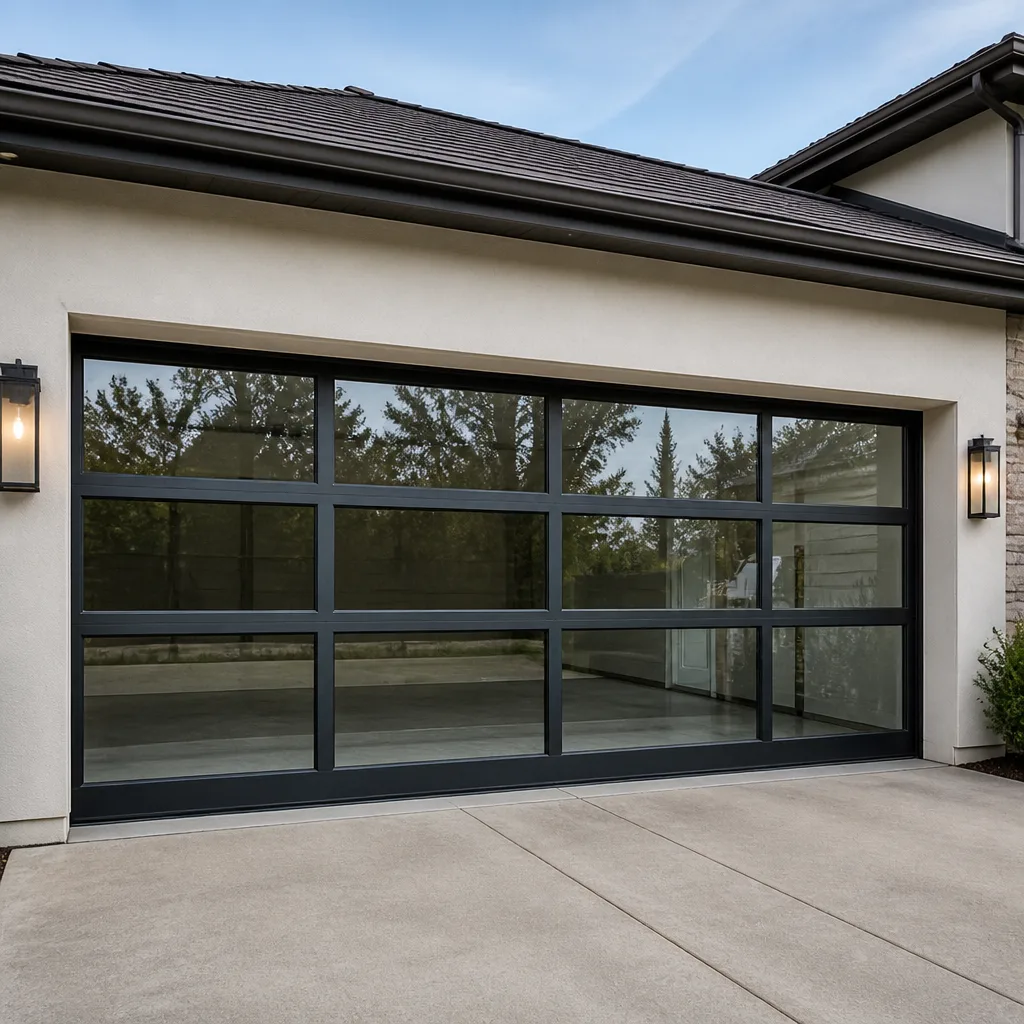 Full-view glass
 LiftMaster openers
 Chamberlain openers
Full 25-point door and opener safety check with every visit - springs, cables, rollers, tracks, and your LiftMaster or Chamberlain opener included
You get a price before we start. It does not change when the pro arrives.
Get your free estimateDIY vs Professional Garage Door: The Johns Creek Homeowner’s Decision Guide
Most homeowners assume the DIY-versus-professional question is about confidence. It isn’t. It’s about physics, warranties, and which tasks carry real danger. Garage door springs hold 150 to 300 pounds of stored tension, and a DIY spring replacement gone wrong has sent people to the emergency room. No tutorial changes that. Some garage door work is genuinely manageable for a careful homeowner: lubrication, weatherstripping, sensor alignment. Other work – springs, cables, torsion hardware – belongs to trained hands. This guide draws that line precisely for Johns Creek homeowners, task by task, so you know what you can safely handle and what should go to a specialist.
Quick Answer
In Johns Creek, routine garage door maintenance like lubrication, weatherstripping, and sensor alignment is safe DIY territory. Spring repair, cable work, and torsion hardware adjustment are professional-only tasks because of the stored tension involved and the risk of serious injury. Everything in between – roller replacement, track tweaks, opener troubleshooting – depends on your comfort level and whether warranty coverage is a concern.
Styles & brands we work with
- Raised-panel steel
- Carriage house
- Modern flush
- Full-view glass
- LiftMaster openers
- Chamberlain openers
Table of Contents
- The Three-Tier Framework: Safe DIY, DIY With Caution, Professional Only
- What You Can Safely Handle Yourself
- Why Spring Work Is Professional-Only
- Warranty Implications of DIY Work on LiftMaster, Chamberlain, and Clopay
- DIY vs Professional: An Honest Cost Comparison
- The Tools You Need – and the One That Makes Springs Impossible
- How Johns Creek HOA Communities Add a Layer of Consideration
- Opener Diagnostics: When DIY Troubleshooting Works
The Three-Tier Framework: Safe DIY, DIY With Caution, Professional Only
Garage door work doesn’t split neatly into “safe” and “dangerous.” It splits into three tiers, and knowing which tier a task falls into is the whole game. Here’s how we sort them.
Safe DIY
- Lubrication – hinges, rollers, and the opener’s rail benefit from periodic lubricant. No disassembly required.
- Weatherstripping replacement – the rubber seal along the bottom edge slides out and back in. Straightforward.
- Safety sensor alignment – the small photo-eye units near the floor can be nudged back into line with a screwdriver.
- Visual inspection – checking for fraying, rust, worn rollers, or loose hardware with your eyes and hands.
- Remote and keypad programming – pairing a new remote to a LiftMaster or Craftsman opener is a button sequence, not a repair.
DIY With Caution
- Roller replacement – possible if the door is fully down and de-tensioned, but the door can shift and pinch.
- Track bolt tightening – fine on loose bolts, risky if the track is already misaligned; over-tightening can warp the rail.
- Opener force and travel limit adjustments – small changes are fine, but the wrong setting can cause the door to reverse or crush objects.
- Panel replacement on cosmetic damage – doable on some models, but panel weight and alignment matter more than they seem.
Professional Only
- Torsion and extension spring replacement – the single most dangerous task on the entire door.
- Cable replacement – cables under tension can whip and cause serious injury.
- Bottom bracket and drum work – the bracket that anchors the cable is under load and can launch.
- Track realignment after an impact – misalignment means the door can bind and fall.
- Opener gear and logic board replacement – electrical work plus calibration.
For Johns Creek homes with older doors, we’ve found that mixing tiers is common: a homeowner lubricates and weatherstrips regularly but calls us for anything with tension. That’s the right instinct.
What You Can Safely Handle Yourself
Some garage door work genuinely rewards DIY. If you’re the kind of Johns Creek homeowner who likes to handle the small stuff, these tasks save money and don’t put you at risk.
Lubrication. A garage door that squeaks or groans is usually dry. Applying a lithium or silicone-based lubricant to hinges, rollers, and the opener rail once or twice a year quiets the door and extends roller life. Avoid heavy grease, which attracts grit.
Weatherstripping. Georgia’s humidity and summer storms take a toll on bottom seals. If you feel daylight under the door or notice water in the garage after rain, replacing the seal is a job most people can finish in an afternoon with a new strip from a hardware store.
Sensor alignment. If the door reverses for no apparent reason, check the safety sensors. The small photo-eye units on either side near the floor should face each other squarely. A gentle nudge with a screwdriver often fixes it. If one LED blinks, clean the lens first, then check alignment.
Visual inspection. Walk around the door with a flashlight. Look for fraying cables, rust at the hinges, worn rollers, or a door that hangs unevenly. Spotting a problem early is the single most cost-effective DIY step there is.
Remote and keypad pairing. The manuals for LiftMaster and Craftsman openers walk you through pairing a new remote in a few button presses. No ladder work needed unless the opener itself is high.
If you’ve done these regularly and the door still hesitates or reverses, it’s time for a garage door repair call. The small stuff buys you time; it doesn’t replace a professional look.
Why Spring Work Is Professional-Only
Garage door springs store enormous energy. A torsion spring on a standard door holds somewhere between 150 and 300 pounds of tension at rest. That tension is what makes the door feel light enough for one hand. It’s also what makes spring work the most dangerous task on the list.
When a spring fails – and they do – it releases that stored energy all at once. The bang heard from a broken spring can be startling, and the spring itself can whip with enough force to cause serious injury. But the greater danger is during adjustment. Springs are wound and unwound with a steel rod called a winding bar. Without the right bar, the right technique, and a solid understanding of how torsion systems work, a homeowner can lose control of the bar or the spring in an instant.
This is why we frame it this way: a winding bar is the tool that makes spring work possible. If you don’t own one and haven’t been trained to use it, the job is off the table. There’s no shortcut around that. We cover the complete tool picture in more detail below.
Extension springs carry the same risk with a different mechanism. They’re under less tension individually but fail more abruptly, and without safety cables they can whip across the garage. A Johns Creek door fitted with extension springs before safety cables were standard is a real liability.
Our technicians handle torsion and extension spring work in-house, and it’s a core service for us rather than an afterthought. If your door won’t lift, will slam, or hangs unevenly, that’s a spring symptom. Call us before you touch it.
Warranty Implications of DIY Work on LiftMaster, Chamberlain, and Clopay
Warranty coverage is where a lot of homeowners get blindsided. The manufacturer’s warranty on garage door components is usually conditional on the work being done by a trained technician or an authorized installer. Understanding which tasks void coverage is worth knowing before you pick up a wrench.
What Typically Preserves Coverage
- Routine maintenance like lubrication and weatherstripping
- Remote and keypad programming done with manufacturer-provided instructions
- Visual inspection and cleaning
- Sensor alignment done carefully and documented
What Typically Voids Coverage
- Spring replacement done without using manufacturer-specified parts
- Torsion bar adjustment or rewinding outside the standard service procedure
- Opener gear replacement using non-OEM components
- Track bending or forcing a door past a stuck point
- Panel replacement done without following the manufacturer’s procedure
LiftMaster and Chamberlain openers carry detailed warranty language about authorized service, and Clopay door warranties typically specify that installation and service must follow the manufacturer’s procedures. Craftsman and Wayne Dalton have similar requirements in their product literature. The common thread: DIY done wrong can cost you the covered replacement.
One thing worth knowing is that we’re factory-familiar with eight of the most common brands – LiftMaster, Chamberlain, Genie, Clopay, Amarr, Wayne Dalton, Craftsman, and Raynor. That matters for warranty work because the technician arrives knowing the specific model’s service procedure, which means faster diagnosis and fewer return trips. If you’re worried about voiding coverage, our garage door opener repair team can tell you what’s still covered.
DIY vs Professional: An Honest Cost Comparison
The cost case for DIY is real, but only for the right tasks. Here’s how we’d sort it honestly for a Johns Creek homeowner.
Where DIY Saves Money
- Weatherstripping – the material is inexpensive and the labor is a couple of hours. A worthwhile Saturday project.
- Lubrication – a single can of lubricant covers all four hinges, the rollers, and the opener rail. Cheap and effective.
- Sensor alignment – usually a five-minute fix if the units just drifted.
- Remote programming – a free task if you have the manufacturer’s instructions.
Where DIY Creates More Expensive Problems
- Spring adjustment – even a small miscalculation can send a door slamming or leave it stuck. Replacing a door that’s been slammed repeatedly costs far more than a spring service.
- Cable work – a snapped cable can whip across the garage, and a poorly seated cable can derail the door entirely.
- Track realignment – forcing a misaligned track rarely fixes it and often bends panels or the rail in the process.
- Opener gear replacement – using the wrong parts can burn out the motor or strip the logic board.
For door replacement or new installation, DIY isn’t a realistic option. That work is measured and ordered, so the cost comparison centers on the door itself and the installation labor. Free measure and a written price are the norm, and our garage door installation page walks through what that involves.
The Tools You Need – and the One That Makes Springs Impossible
If you’re serious about the safe DIY tasks, here’s the honest tool list. It’s short, inexpensive, and covers the jobs that actually belong in your hands.
- Screwdriver set – flathead and Phillips, for hinge and sensor work.
- Adjustable wrench or socket set – for track bolts and general hardware tightening.
- Lithium or silicone spray lubricant – for hinges, rollers, and the opener rail.
- Flashlight or headlamp – for visual inspection of tracks and cables.
- Replacement weatherstripping strip – matched to your door width.
- Manufacturer’s manual for your opener – for remote and keypad programming.
What’s not on the list is a winding bar. Torsion springs require a steel winding bar of the correct diameter for the spring’s size, and using one safely means knowing exactly how many quarter-turns to apply and in which direction. There’s no household substitute. That’s the physical fact that makes spring work impossible for a homeowner to do safely, and it’s why we treat it as a professional-only task no matter how mechanically inclined you are.
Weighing the tool list against the risk: if a task needs a winding bar or requires handling a cable under load, it’s out of DIY territory. For a full breakdown of what our Johns Creek garage door repair team handles, that page covers the range.
How Johns Creek HOA Communities Add a Layer of Consideration
Many Johns Creek neighborhoods are governed by HOAs with covenants that set standards for exterior appearance. For visible work on the garage door, that layer matters. A quick but sloppy weatherstripping job might look fine from inside the garage, but a mismatched seal, a scratched panel, or a door that hangs visibly off-level can draw a notice.
Most HOA covenants don’t prohibit homeowners from doing their own work. They do require that the results meet a standard, and they often require approval for changes that affect the door’s appearance – panel replacement in a different style, color changes, or full door replacement. Before you start a visible project, two steps are worth taking:
- Check your HOA’s architectural review rules. Many Johns Creek covenants require approval for visible changes, including some replacements.
- Confirm the door’s appearance matches the neighborhood standard. A door that hangs unevenly or shows visible damage can draw a notice whether it was installed or repaired by a professional or a homeowner.
HOA approval isn’t a reason to avoid DIY, but it’s a reason to slow down before starting anything that changes the door’s look. When a door replacement is on the table, our team can walk you through which models are commonly approved in Johns Creek neighborhoods and how to submit a clean project description to your HOA. If you’re planning a replacement, the garage door installation process we follow starts with the approval question.
Opener Diagnostics: When DIY Troubleshooting Works
Opener problems are the trickiest middle ground. Some issues are genuinely fixable at home, and some signal a component failure that needs a technician. Here’s how to sort them.
Symptoms Worth Troubleshooting Yourself
- The door reverses but the sensors look clean and aligned – check for spider webs, debris, or a loose wire on the sensor.
- The remote works intermittently – replace the battery and re-pair it using the opener manual.
- The opener won’t close but works from the wall button – check for a stuck lock, a disconnected safety sensor, or a garage door lock engaged.
- The door starts to close, then reverses halfway – check the travel limit setting if you’ve recently adjusted it, or look for a physical obstruction.
Symptoms That Point to Professional Repair
- The motor runs but the door doesn’t move – often a stripped gear or broken chain; needs parts.
- A loud grinding noise – the gear set is wearing and will fail soon.
- Logic board failure – the opener won’t respond to any input; the board needs testing and likely replacement.
- The opener trips a breaker – electrical troubleshooting territory.
We work on LiftMaster, Chamberlain, Genie, Craftsman, and Raynor openers regularly. When the motor runs but won’t move the door, we can usually diagnose the gear issue on the first visit rather than the second. Our garage door opener repair team can confirm whether your model’s parts are still available and whether a repair makes more sense than replacement.
One safety note: the electrical panel and wiring connection to the opener are not DIY territory. If the opener trips a breaker or shows any sign of electrical fault, call a professional. The physical danger of shock and the fire risk from a bad connection are both real.
Common Mistakes to Avoid
- Winding a torsion spring without a winding bar. This is the single most dangerous DIY mistake, and it can cause serious injury in seconds. There’s no safe substitute for the right tool.
- Cutting or removing a safety cable on an extension spring door. The cable is the thing that stops the spring from whipping across the garage. Removing it to “make room” defeats the safety design.
- Spraying WD-40 on the tracks. The tracks are meant to be dry. Lubricating them attracts grit and causes the rollers to seize. Lubricate the rollers, not the tracks.
- Over-tightening track bolts to fix a misaligned door. The misalignment is usually at the bracket or hinge, not the bolt. Forcing the track will bend the panel.
- Ignoring a slow or reversing door because it “still works.” A reversing door signals a safety system issue or spring fatigue. Left alone, the door can fail entirely.
- Installing a new opener on a door with an old spring. The opener isn’t the load-bearing element; the springs are. If the springs are tired, the opener works harder and wears out faster.
- Assuming an HOA covenant doesn’t apply because the repair is “just fixing” what’s already there. Visible changes still count, and getting approval first avoids a notice.
See the difference
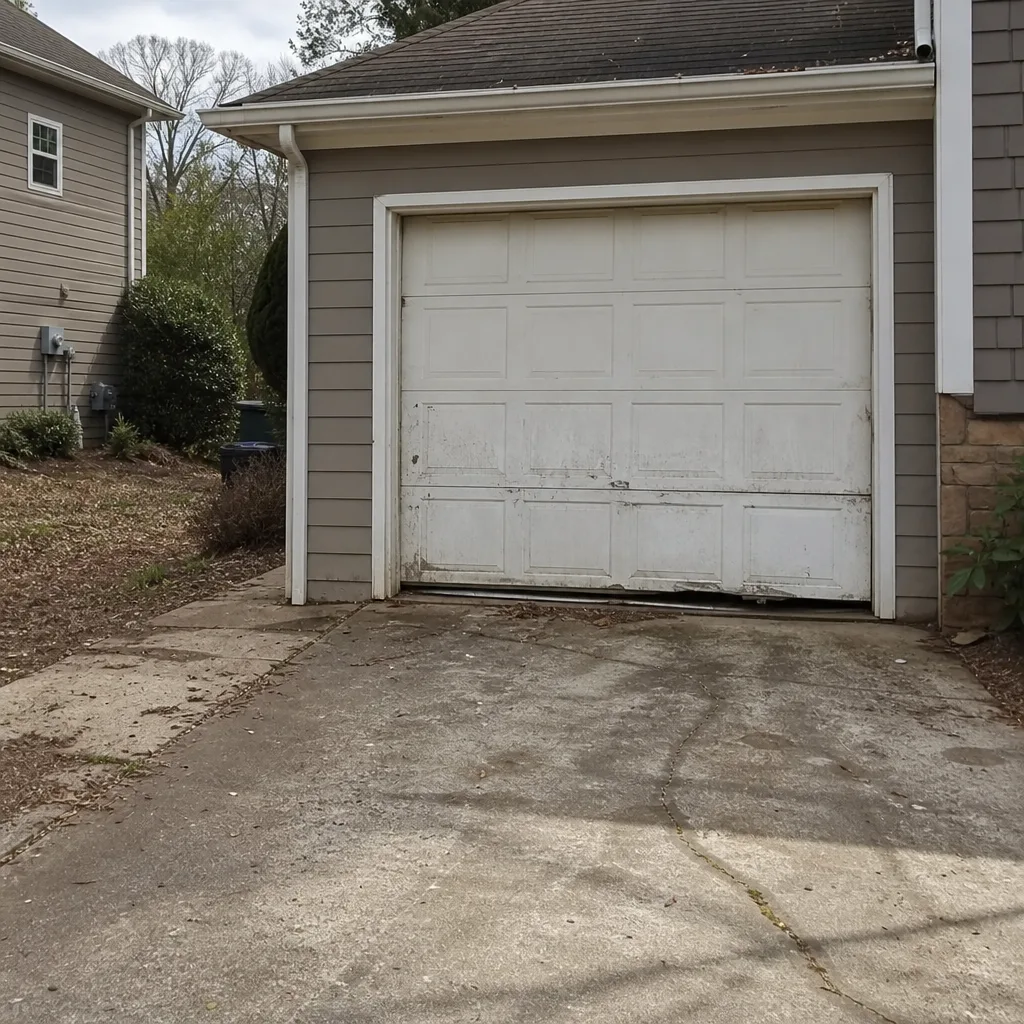 Before
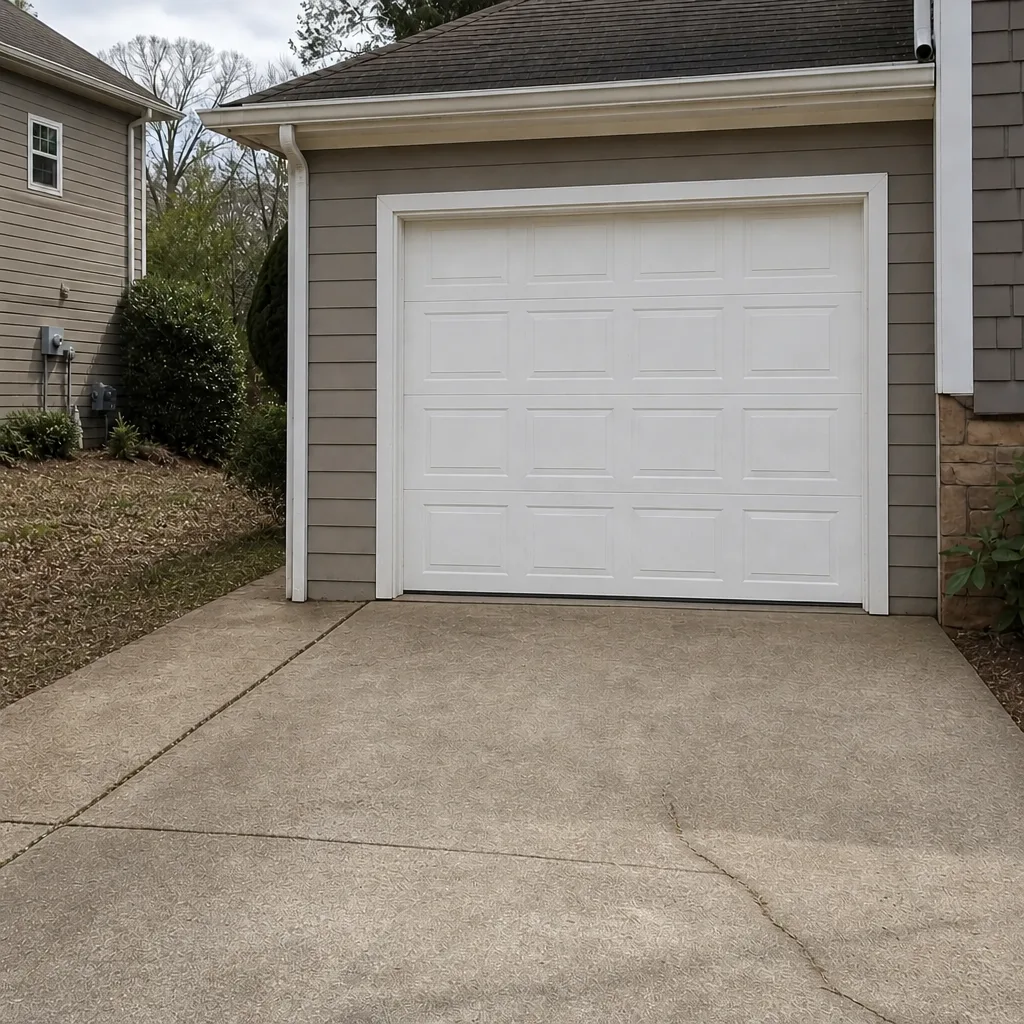 After
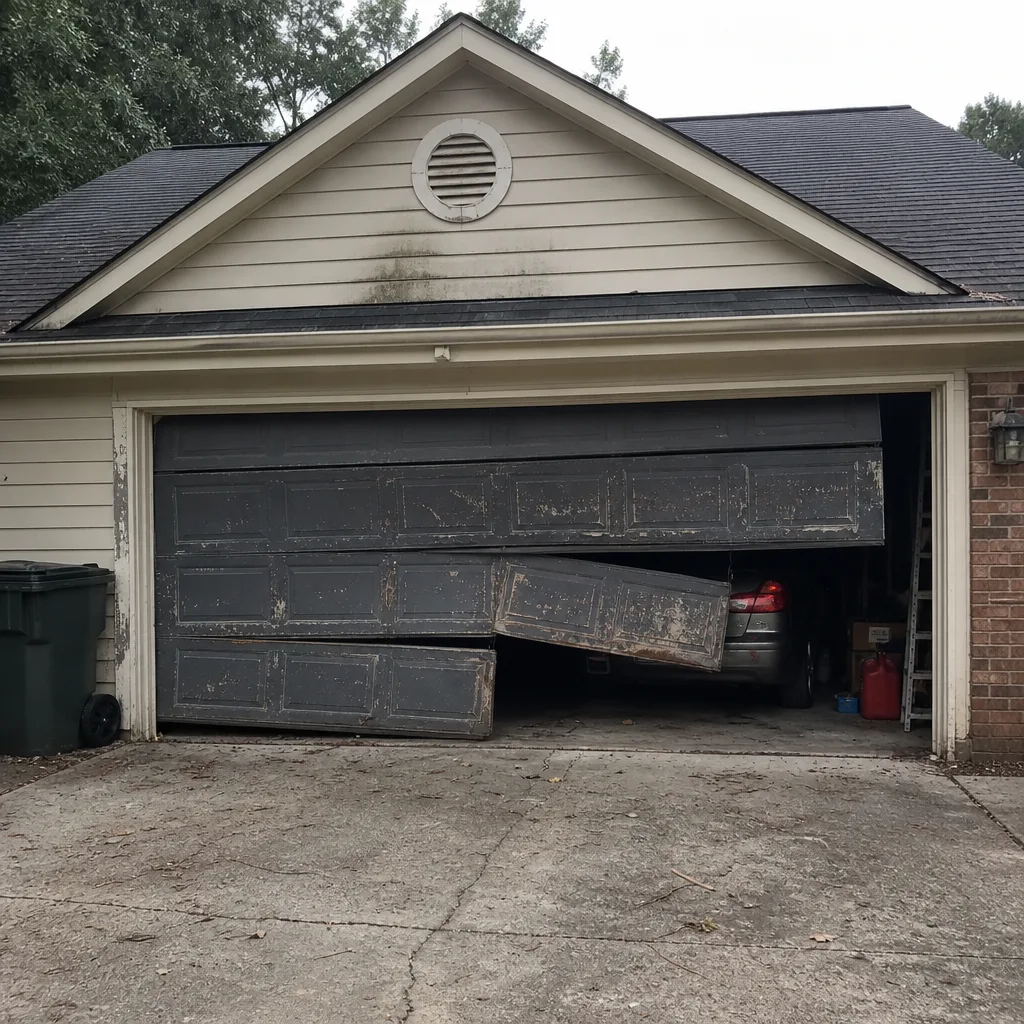 Before
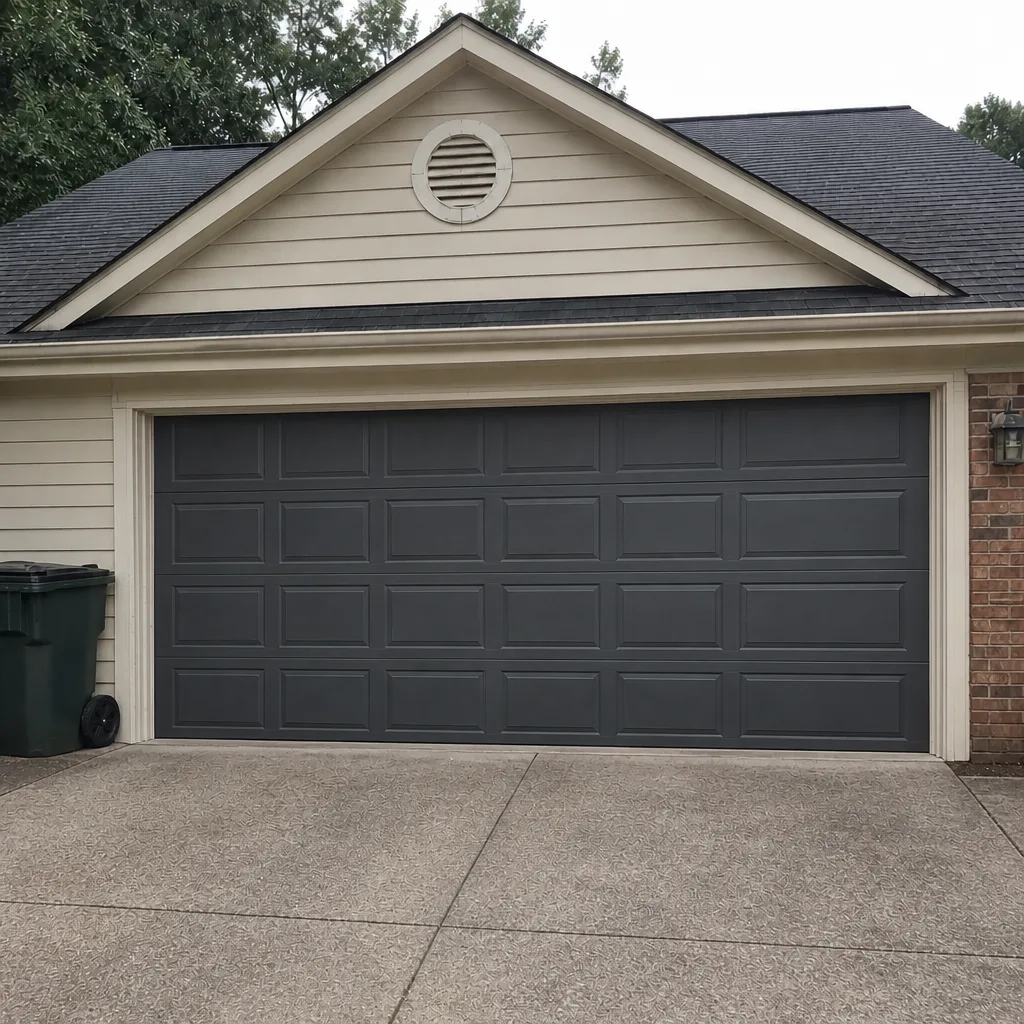 After
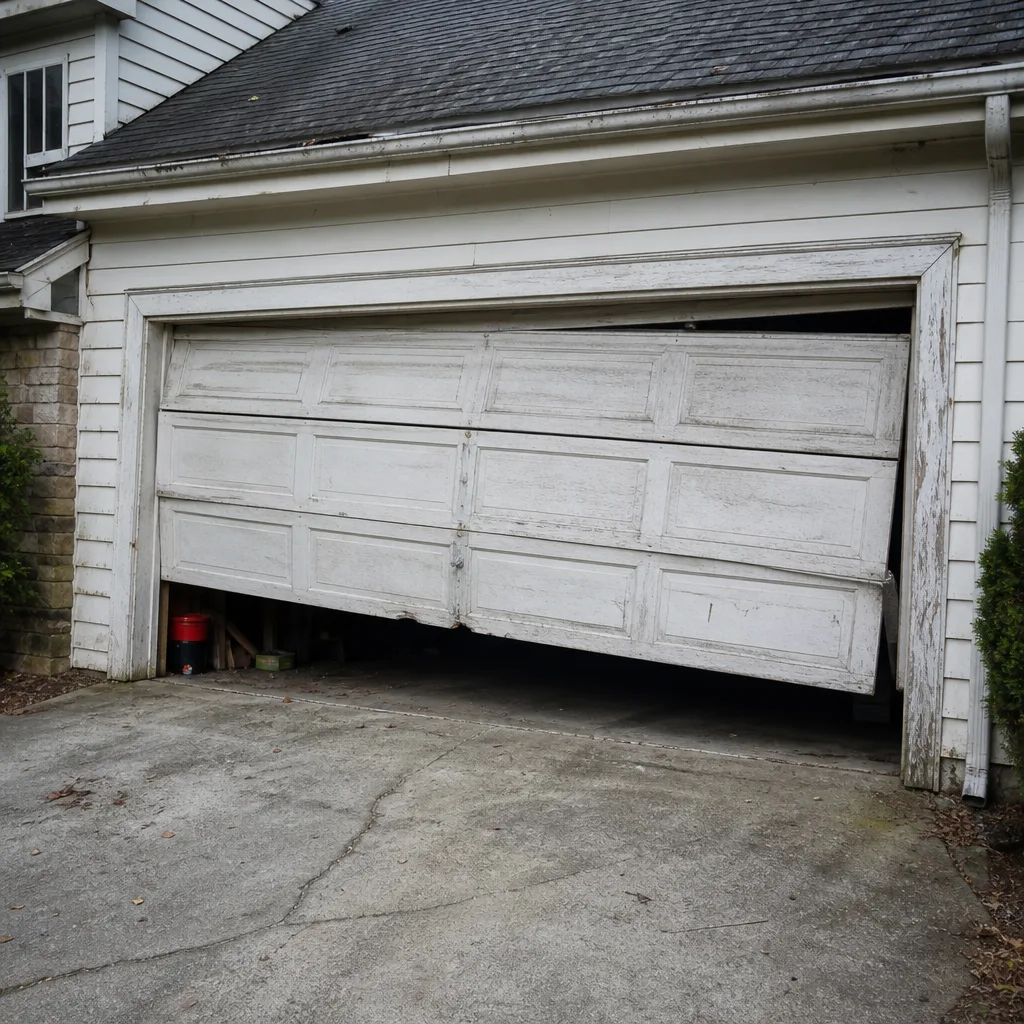 Before
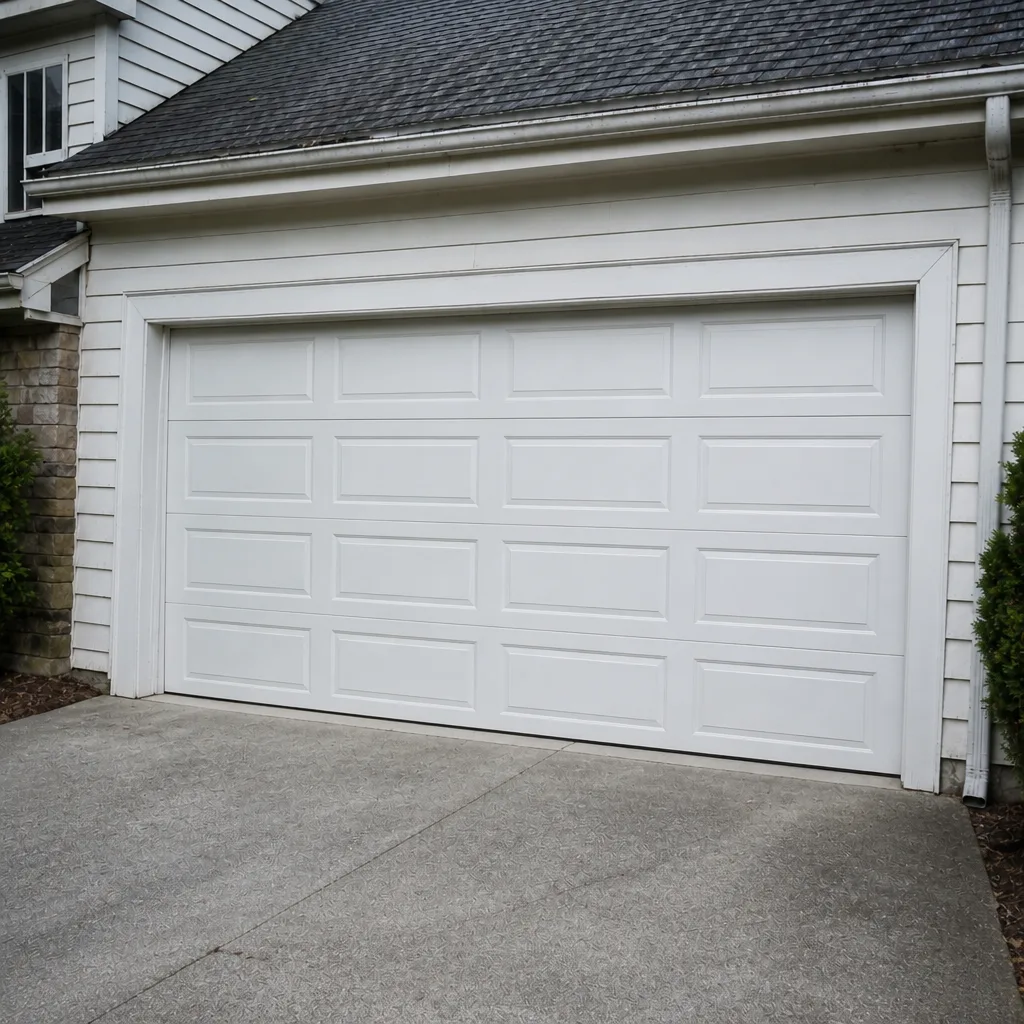 After
When to Call a Professional
Some situations are clear calls. If you hear a loud bang from the garage and the door won’t lift, a spring has failed. If the door is hanging unevenly or a cable is visibly frayed, the tension system needs attention. If the opener trips a breaker or shows electrical damage, that’s an electrical problem. If the door reversed on its own and won’t stay closed, the safety system needs diagnosis. And if you’re planning a new door, the measure-and-order process is not a DIY job.
Johns Creek Garage Door Repair offers free estimates in Johns Creek – call (855) 674-0828. We handle torsion and extension spring repair in-house, work on the most common brands (including LiftMaster and Clopay), and offer emergency service when a door fails and you can’t wait. Our technicians have up to 8 years of experience, and every job comes with a written estimate before work starts. The price we quote is the price you pay.
Frequently Asked Questions
No, spring replacement is professional-only because torsion and extension springs store 150 to 300 pounds of tension, and the wrong move can cause serious injury. The job requires a winding bar and training in the correct procedure, which are not household tools or skills. If your spring has failed, call (855) 674-0828 for a same-day look in Johns Creek.
Lubrication, weatherstripping replacement, sensor alignment, remote and keypad programming, and visual inspection are all safe DIY tasks. These don’t involve stored tension or disassembly of load-bearing components. Anything that requires lifting the door, adjusting the springs, or touching a cable belongs to a trained technician.
It can, depending on the task. Routine maintenance like lubrication and weatherstripping typically preserves coverage, but spring replacement, torsion adjustment, and gear work using non-OEM parts can void it. Check your opener’s warranty literature and keep records of any DIY work you do. If you’re unsure, call us and we can tell you what’s still covered.
A typical repair in Johns Creek is priced per job after a free estimate, and the written estimate sets the final price – no surprises after the fact. Spring repair, opener repair, cable work, and track realignment all vary with the specific problem. Call (855) 674-0828 for an exact quote; estimates are free.
For repair and emergency service, yes, we offer same-day service and emergency response when a door fails. For installation and full replacement, the work is measured and scheduled – the door has to be ordered and delivered. Call (855) 674-0828 to schedule a free measure and written price for a new door.
No. We provide a written estimate before any work starts, and that estimate sets the final price. If we find something additional during the job, we stop and get your approval before proceeding. The quote you agree to is the price you pay.
The Bottom Line
The DIY question isn’t about confidence – it’s about physics, warranties, and safety. Weatherstripping, lubrication, and sensor alignment are smart DIY projects that save money and carry minimal risk. Torsion springs, cables, and bottom bracket work are professional-only because of stored tension and the tools required. Everything in between depends on your comfort and the warranty implications of the specific brand. If a task needs a winding bar or requires touching a cable, call a specialist. In Johns Creek, Johns Creek Garage Door Repair offers free estimates and handles spring repair, opener repair, installation, and emergency service.
Ready to get a free estimate? Call (855) 674-0828 today and we’ll take a look at the door.
Written by the team at Johns Creek Garage Door Repair.