Last updated November 22, 2026
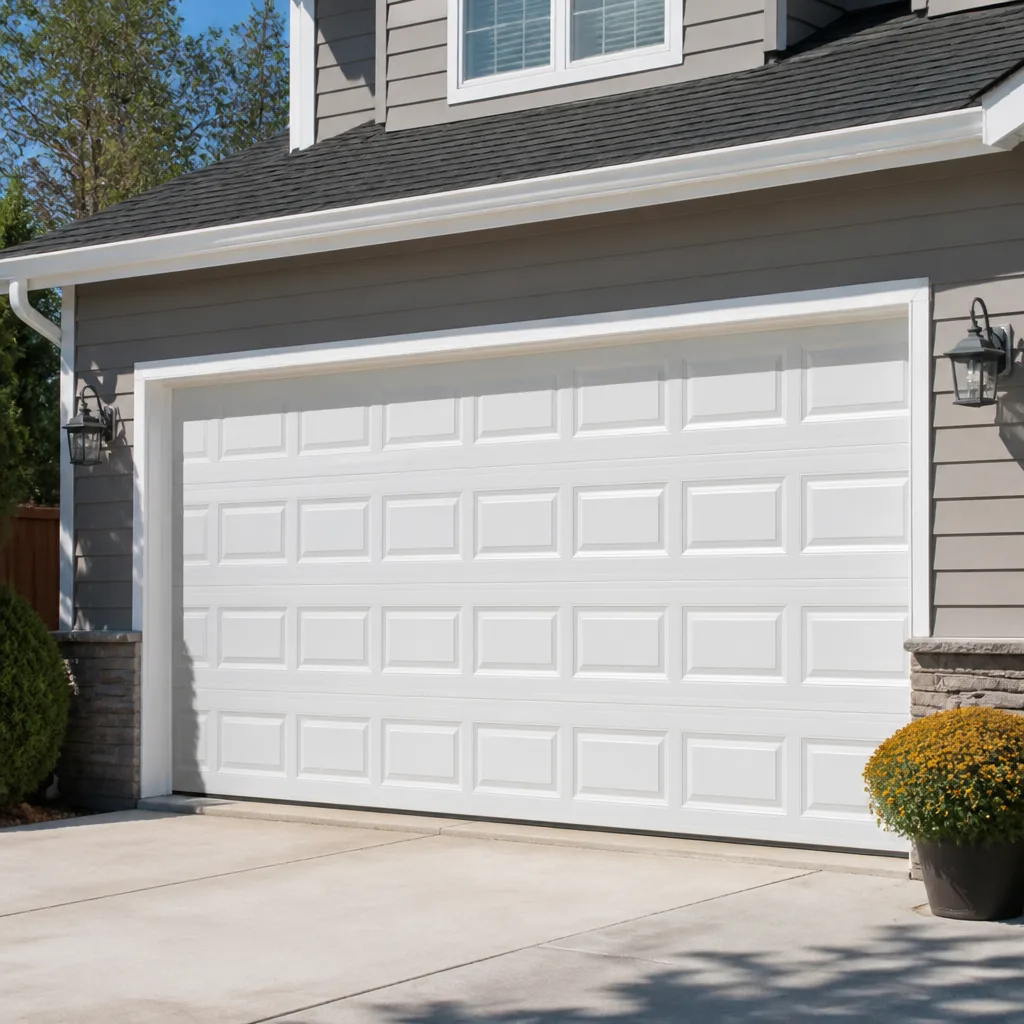 Raised-panel steel
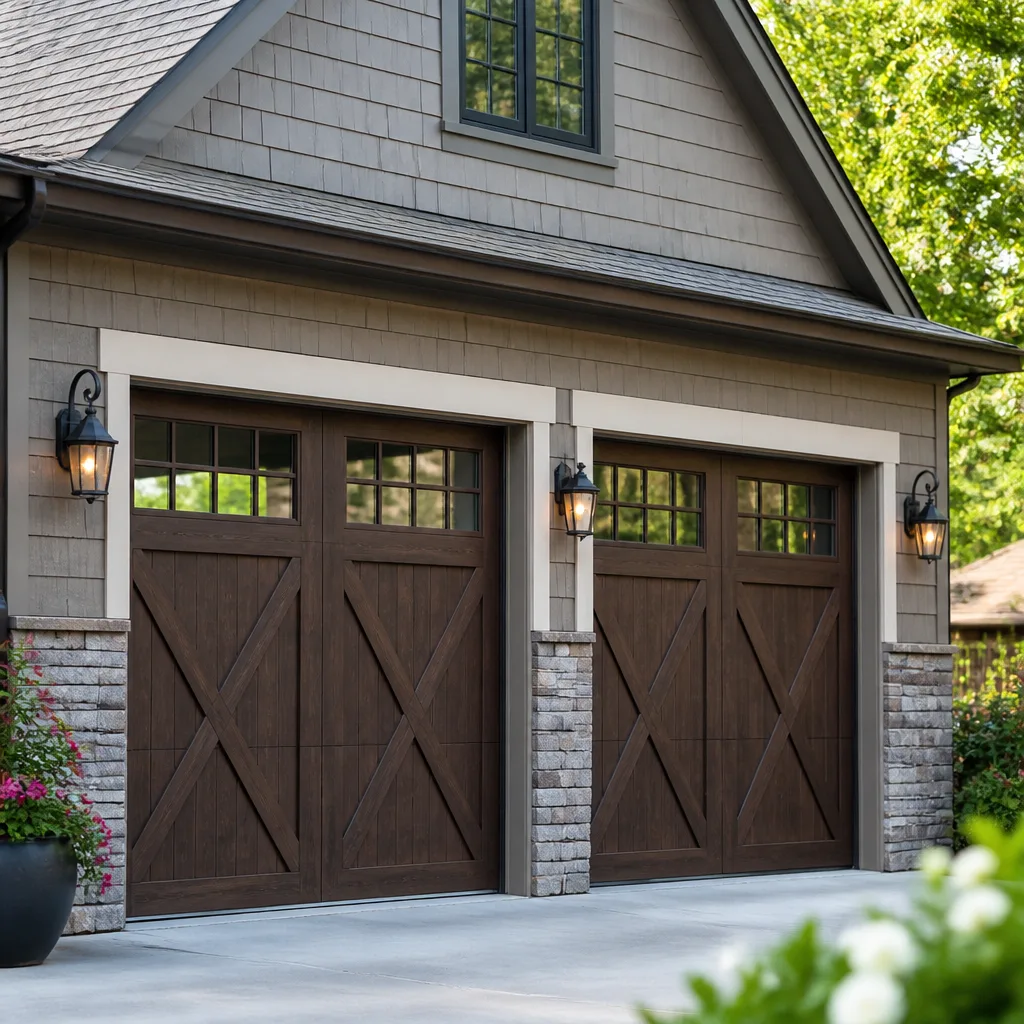 Carriage house
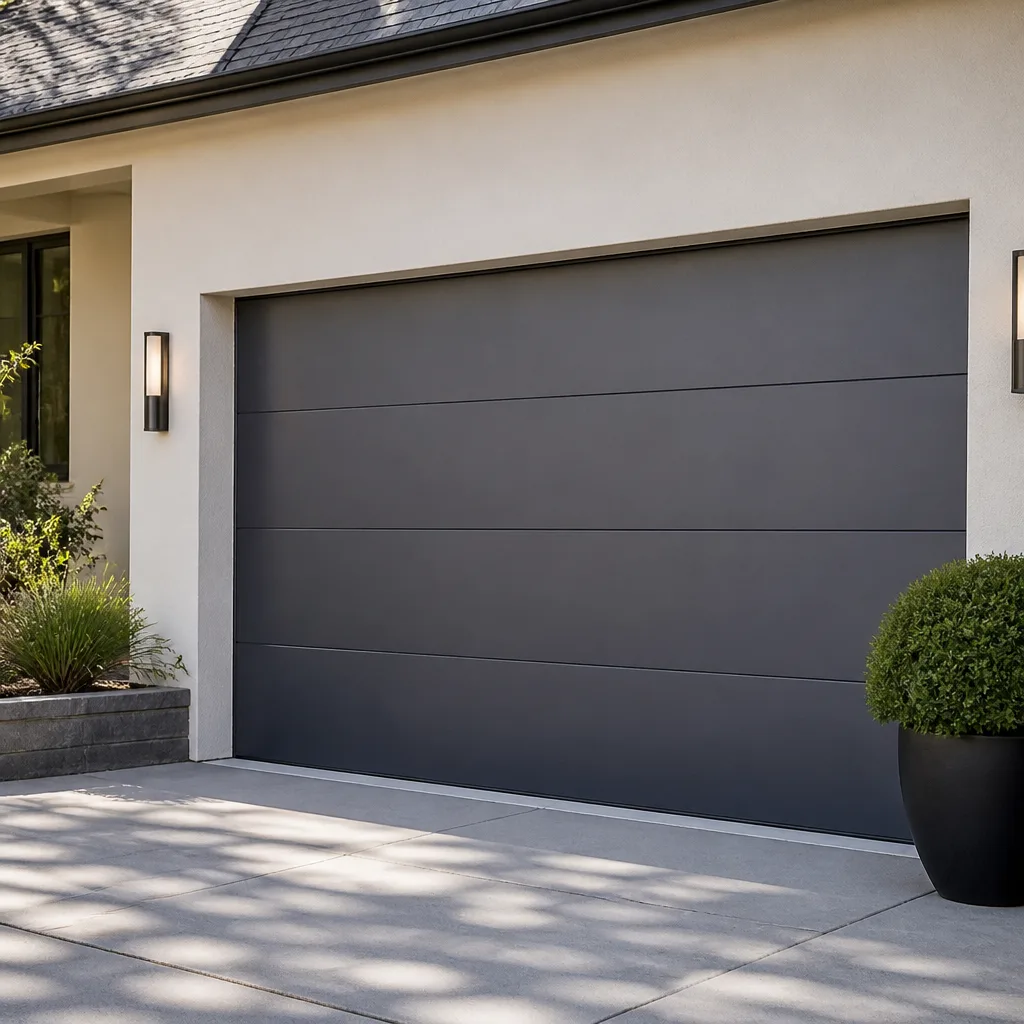 Modern flush
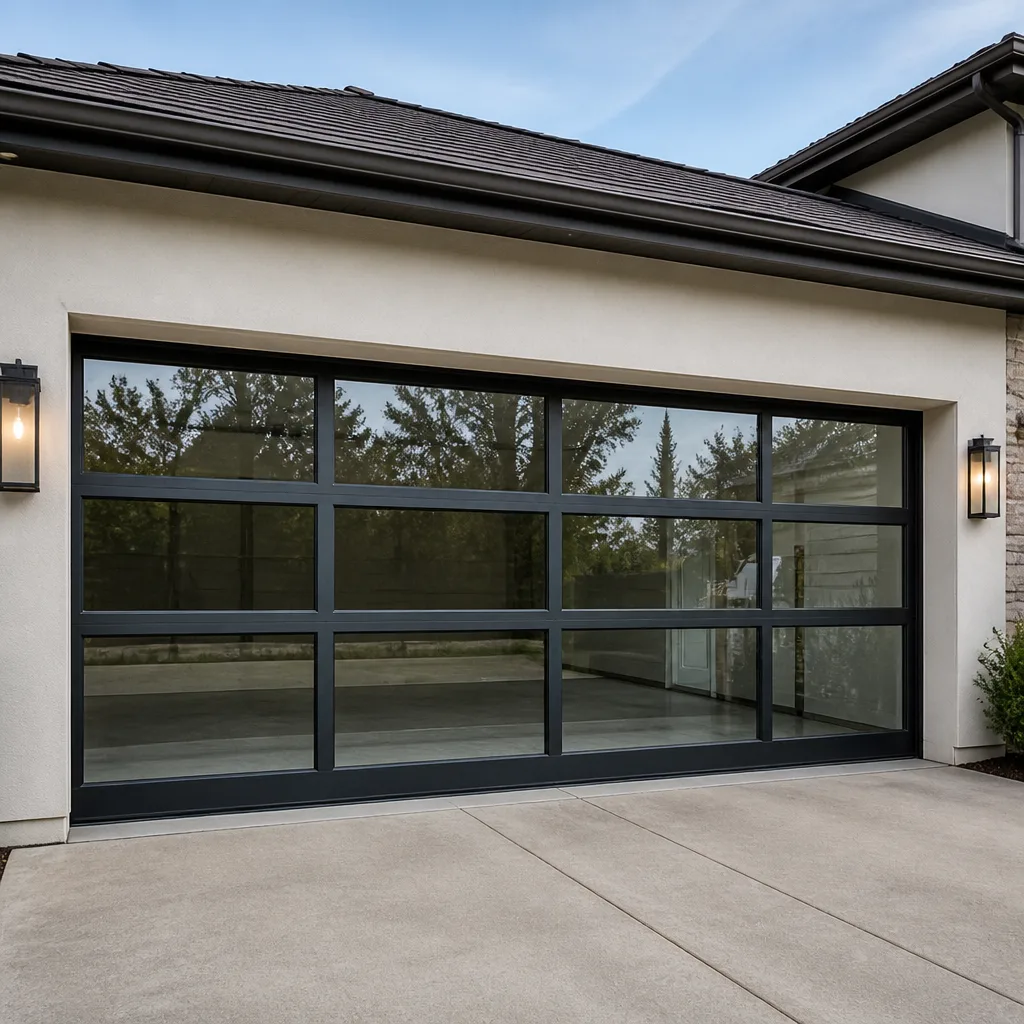 Full-view glass
 LiftMaster openers
 Chamberlain openers
Full 25-point door and opener safety check with every visit - springs, cables, rollers, tracks, and your LiftMaster or Chamberlain opener included
You get a price before we start. It does not change when the pro arrives.
Get your free estimateGarage Door Repair Maintenance Checklist for Johns Creek Homeowners
The number-one cause of avoidable emergency garage door calls isn’t a broken spring. It’s a maintenance step that takes about 90 seconds and costs nothing: clearing the debris and spider webs and sawdust that collect around the photo-eye sensors at the base of the tracks. We’ve seen doors go completely dead because a single leaf covered one lens. The homeowner assumed the opener had failed. It hadn’t. This guide is a maintenance checklist for Johns Creek homeowners who want their door to keep working, and it’s sequenced by failure frequency, not alphabetical order. You’ll learn which parts fail first in Georgia’s humidity, which jobs take 20 minutes versus a technician, and where most online advice gets the lubrication wrong.
Quick Answer
A garage door maintenance checklist in Johns Creek should focus on the components that degrade fastest in Georgia’s humid summers: cables, bottom seals, and roller bearings. Check the photo-eye sensors and test the auto-reverse monthly, lubricate hinges and springs with a proper garage door lubricant twice a year, and have a technician inspect springs, cables, and balance once a year. Most of the checklist is homeowner work in 20 minutes or less; springs, cables, and any adjustment of the counterbalance system need a trained professional.
Styles & brands we work with
- Raised-panel steel
- Carriage house
- Modern flush
- Full-view glass
- LiftMaster openers
- Chamberlain openers
Table of Contents
- Why Johns Creek Humidity Changes What Breaks First
- The Components That Fail First in Johns Creek
- What You Can Do in 20 Minutes vs. What Needs a Technician
- The Lubrication Points Most Guides Get Wrong
- How to Actually Test Auto-Reverse and Photo-Eyes
- A Seasonal Trigger Calendar for Johns Creek Weather
- Your Monthly and Annual Checklist, In Order
- Common Mistakes to Avoid
Why Johns Creek Humidity Changes What Breaks First
Most garage door maintenance advice online is written for a dry climate. In Johns Creek, that advice misses the parts that actually fail here. From June through September, the air in an attached garage stays warm and damp for weeks at a stretch, and the garage often has no conditioned air moving through it. Metal, rubber, and nylon that live in that environment don’t fail the way they do in Arizona or Colorado. They fail from moisture, not from dry rot or sun baking.
The result is a different failure order. In a dry climate, homeowners worry most about springs and painted steel. In Johns Creek, we see three components wear out ahead of schedule:
- Lift cables. Steel cable under load plus persistent humidity equals rust between the strands. Rust eats the cable from the inside, so the outer braid still looks fine while strength drops. A cable is one of the parts that can snap with no warning, and it’s why we inspect them on nearly every Johns Creek call.
- Bottom seals. The rubber or vinyl astragal at the bottom of the door sits inches off a concrete slab that pulls moisture out of the ground. It stays damp, gets stiff, cracks at the corners, and stops sealing. A worn bottom seal lets water, pests, and hot air into the garage, and it can also make the door slam harder than it should.
- Roller bearings. The bearings inside nylon or steel rollers hold a thin film of grease that humidity can break down. Dry bearings squeal, then flat-spot, then drag. Dragging rollers load the opener and the springs, which shortens the life of both.
That order matters because it tells you where to spend your attention. If you have a door from Clopay, Amarr, or Wayne Dalton, the hardware is generally proven; the wear is in the moving parts and the seals. Maintenance in Johns Creek is less about the door panel and more about the parts that live and move in damp air.
The Components That Fail First in Johns Creek
Ranked by how often they bring a door to a stop in Johns Creek, here’s the order we see, with what each one does and the early warning sign to watch for. This is a failure-frequency ranking, not a maintenance calendar. Use it to decide which parts of the checklist deserve your closest eye.
- Bottom seal and weatherstripping. First to go, because it lives in the dampest spot. Warning sign: visible cracks, a gap you can see daylight through, or a door that lets in a draft when closed.
- Lift cables. Second, thanks to humidity-driven rust. Warning sign: a cable that looks frayed, kinked, or has rust stains bleeding onto the drum or the door.
- Rollers and bearings. Third. Warning sign: squealing on the way up, a door that shudders, or rollers that no longer spin freely by hand.
- Springs. Not a humidity problem, but high tension and constant use take their toll. Warning sign: a door that suddenly feels much heavier, or a loud bang from the garage.
- Hinges and track alignment. Slower wear, but loose hinges and a knocked track will make everything above fail faster. Warning sign: grinding, a door that binds, or a visible bend in a vertical track.
- Opener and safety sensors. The electronics themselves are durable (LiftMaster, Chamberlain, Genie, and Craftsman units all run for years), but the sensors and the safety reverse system need regular testing to stay reliable.
If you only track one thing this year, track the bottom seal and the cables. They’re the two Johns Creek homeowners most often discover too late, and both are cheap to address before they strand a car. For anything that turns into a real repair, our garage door repair service starts with a full balance and safety check, so a fix on one part doesn’t miss a worn part next to it.
What You Can Do in 20 Minutes vs. What Needs a Technician
Most of a good maintenance checklist is homeowner work. A few items are genuinely dangerous and belong to a trained professional. Here’s the honest split, with a realistic time for each job, so you know what you’re signing up for before you start.
Homeowner tasks, 20 minutes or less
- Clear and wipe the photo-eyes (about 90 seconds). A damp cloth and a quick check that both lenses point at each other.
- Look and listen (5 minutes). Run the door up and down once and watch the cables, rollers, and bottom seal. Listen for squeaks, grinding, or a door that seems to slow down.
- Lubricate hinges, rollers, and the spring (10 minutes). A proper garage door lubricant, applied sparingly.
- Test the auto-reverse and the safety sensors (5 minutes). More on the right way to do this below.
- Tighten a loose hinge bolt by hand (2 minutes). Snug, not cranked down.
- Check the bottom seal for cracks or daylight (2 minutes). Look at it while the door is down.
Leave these to a technician
- Any work on springs. Torsion and extension springs are under high tension and can cause serious injury if handled without the right tools and training. Don’t try to adjust, wind, or remove them.
- Cable replacement or adjustment. Cables hold the door’s weight. A cable that’s slipping or frayed is a call-us-now situation, not a project.
- Track realignment. A bent track can be straightened, but doing it wrong makes the door unsafe. It needs the right technique and inspection.
- Balance and counterbalance adjustments. If the door doesn’t hold halfway open, the spring system is out of balance and needs a pro.
The rule of thumb: anything that holds or moves the door’s weight belongs to a trained professional. Anything that cleans, lubricates, tightens by hand, or tests is yours. Our technicians have up to 8 years of experience with the tension side of that line, and we’d rather you call before an injury than after.
The Lubrication Points Most Guides Get Wrong
Lubrication is where the most popular online advice does real damage. Two mistakes show up again and again, and both are easy to avoid.
Mistake one: WD-40 on the moving parts. Standard WD-40 is a solvent and light oil, not a lubricant built for load. It will quiet a squeak for a few days and then attract grit that turns into a grinding paste. The right product is a garage door lubricant (usually a lithium- or silicone-based spray, or a purpose-made door lube from the hardware store). Keep the WD-40 in the toolbox for rusted bolts elsewhere.
Mistake two: lubricating the wrong spots, or the track itself. The track is the most common error. It’s meant to stay clean and dry; the rollers’ bearings carry the grease, not the track surface. Applying lubricant to the track collects dust and makes rollers slide instead of roll.
Here’s where the lubricant actually goes, in order:
- Hinge pivot points. One small shot at each hinge where the metal pivots. Wipe away any excess.
- Roller bearings and stems. A drop on each roller’s bearing, and a light coat on the stem where it meets the hinge.
- The torsion spring (the spring across the header above the door). A very light coat helps slow corrosion in Johns Creek’s damp air. Don’t wind it or touch the cable.
- The opener rail and chain or belt, only if the manufacturer calls for it. Many modern LiftMaster and Chamberlain units are sealed or specify a particular lube, so check the manual first.
Twice a year is the right rhythm here. In Johns Creek, do it once when the humid season starts and once when it ends, and the bearings will hold up far longer. If you’d rather not touch the spring at all, that’s a reasonable call; ask a technician to include it on an annual visit. Our garage door opener repair work includes checking that the opener isn’t straining against a door that needs lubrication or adjustment.
How to Actually Test Auto-Reverse and Photo-Eyes
Most homeowner guides say to “put a broom under the door.” That tests one thing, and it doesn’t confirm the door meets the safety standard it’s supposed to. Modern openers are built to UL 325, the safety standard for automatic garage door operators, and the two protections it depends on are the photo-eye sensors at the base of the door and the auto-reverse that kicks in when the door meets an obstacle. Test both, and test them the right way.
Test the photo-eye sensors
- Close the door manually to about halfway, or start it closing from the remote.
- Wave a hand or a piece of cardboard in front of one sensor while the door is closing.
- The door should reverse immediately. If it continues to close, stop it and treat the sensors as failed.
- Check that both lenses are clean and that the indicator light on each is on and steady. A blinking light is often a misalignment, not a dead sensor.
Test the auto-reverse
- Open the door fully, then start it closing.
- Place a solid object about 1.5 inches tall (a piece of wood or a thick book) flat under the door’s path.
- When the door meets the object, it should reverse and go back up.
- If it presses the object down or stops without reversing, the opener needs adjustment from a technician. Don’t run the door again until it’s checked.
Do this once a month. It takes five minutes, it’s the single best protection against a door closing on a child or pet, and it’s the one item on the checklist that a homeowner should never skip. If a sensor or the reverse system fails the test, stop using the door and get it looked at. It’s one of the few times we tell Johns Creek homeowners to call right away rather than wait.
A Seasonal Trigger Calendar for Johns Creek Weather
Generic “spring and fall” advice doesn’t match how Johns Creek weather actually works. Our humidity peaks in late summer, our pollen season coats everything in spring, and our coldest snaps come in short bursts in January. Here’s a trigger-based calendar tied to what’s really happening outside, not to the calendar on the wall.
- Late February to March (pollen season). Pine pollen coats the tracks, the rollers, and the photo-eyes. Wipe the sensors, blow out or wipe the tracks, and re-check the sensors. Pollen is the number-one cause of “my opener stopped working” calls in early spring.
- Late April to May (early humidity). Do your first lubrication pass of the year and inspect the bottom seal before the damp season sets in. Check cables for early rust.
- June through September (peak humidity). This is when cables and seals wear fastest. Check the bottom seal for cracks every few weeks, watch the cables, and keep the sensors clear. If the door starts squealing, don’t wait; dry bearings plus damp air is a fast path to wear.
- October to November (humidity drops). Do your second lubrication pass and look for anything that loosened over the summer. Fall is also when homeowners notice a door that no longer seals properly as temperatures shift.
- December through February (cold snaps). Cold makes stiff seals crack and old grease thicken. Test the auto-reverse, check the bottom seal, and listen for a door that sounds sluggish in the morning.
Two lubrication passes, a pollen cleanup, and monthly safety tests will keep a door in good shape through a full Johns Creek year. For bigger needs, like a new door or a full opener swap, our garage door installation service is a separate, scheduled project and a good time to start the calendar fresh.
Your Monthly and Annual Checklist, In Order
Here’s the whole checklist consolidated, sequenced by failure frequency and split by how often you should run it. Start with the monthly block, because those are the items that catch problems while they’re cheap.
Every month (about 10 minutes total)
- Clear and wipe the photo-eye sensors. Check the indicator lights are steady.
- Test the auto-reverse with a 1.5-inch obstacle.
- Watch and listen to the door through one full cycle. Note any new squeak, shudder, or slow spot.
- Look at the bottom seal for cracks or daylight, and glance at the cables for rust.
Twice a year (about 20 minutes total)
- Lubricate hinges, roller bearings, stems, and a light coat on the spring.
- Check the rollers spin freely and aren’t flat-spotted.
- Check hinges and bolts for looseness; snug by hand.
- Test the door’s balance: open it halfway by hand (with the opener disengaged) and see if it holds. If it drifts down or up, call a technician.
Once a year (a technician visit)
- Spring, cable, drum, and counterbalance inspection.
- Track alignment and roller wear check.
- Opener force and travel adjustment, and a full safety-system test.
- Bottom seal replacement if it’s worn, and a check on weatherstripping.
That’s the whole system. The monthly block catches the humidity-driven failures early, the twice-yearly block keeps the moving parts healthy, and the annual visit handles the high-tension parts safely. If you’d like the whole thing done in one visit, we offer Johns Creek garage door repair as a full-service stop, from a single seal to a complete tune-up.
Common Mistakes to Avoid
- Lubricating the track. The track should stay clean and dry. Grease on the track collects grit and makes rollers slide, which wears them and the door. Wipe the track, don’t lube it.
- Using WD-40 on the moving parts. It’s a solvent, not a load-bearing lubricant. Use a purpose-made garage door lubricant and save the WD-40 for rusted bolts.
- Ignoring the bottom seal because the door “still works.” In Johns Creek humidity, the seal is the first thing to fail. A cracked seal lets water and pests in and makes the door close harder; it’s cheap to replace and easy to forget.
- Trying to adjust or replace a spring. Springs are under high tension and can cause serious injury. This is the one part of the checklist that is never DIY, no matter how many videos you watch.
- Skipping the monthly safety test. A door that closes on a child or pet is a preventable tragedy, and the test takes five minutes. Test the auto-reverse and the photo-eyes every month without exception.
- Forcing a door that’s binding. If the door shudders, scrapes, or stops partway, stop using it. Forcing it can bend a track and turn a small repair into a bigger one. Call for a look.
- Assuming a brand is “too old” to fix. Whether you have a Clopay, Amarr, Wayne Dalton, or Craftsman system, we work on what you already own. A 10-year-old opener is usually repairable, not a replacement.
See the difference
 Before
 After
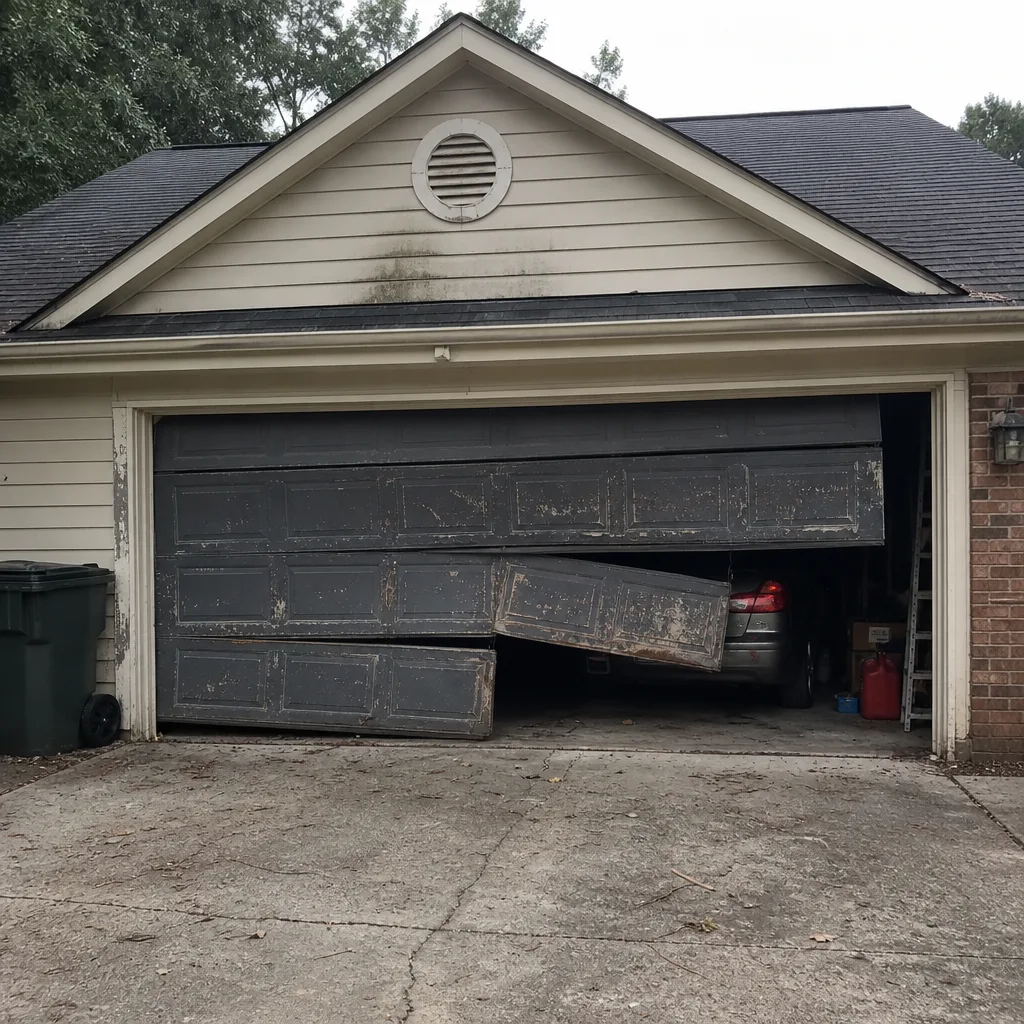 Before
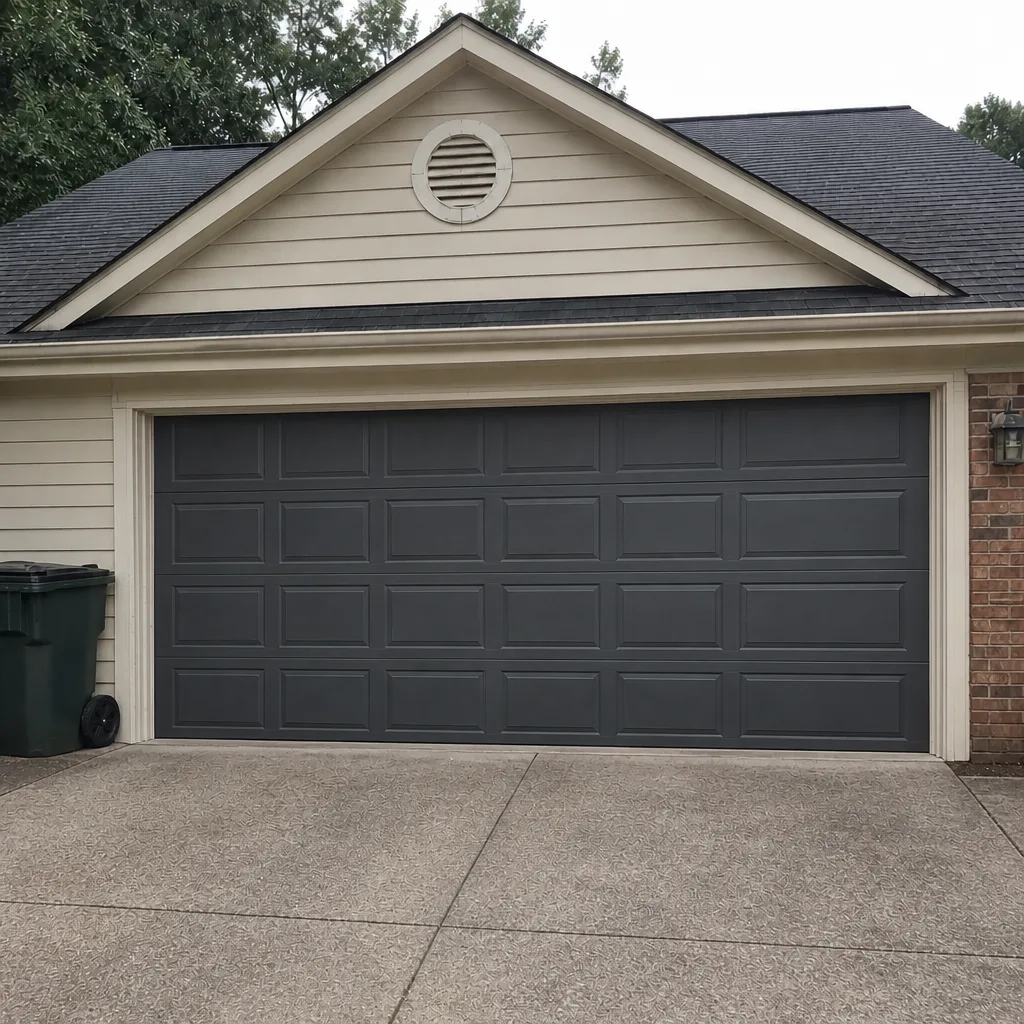 After
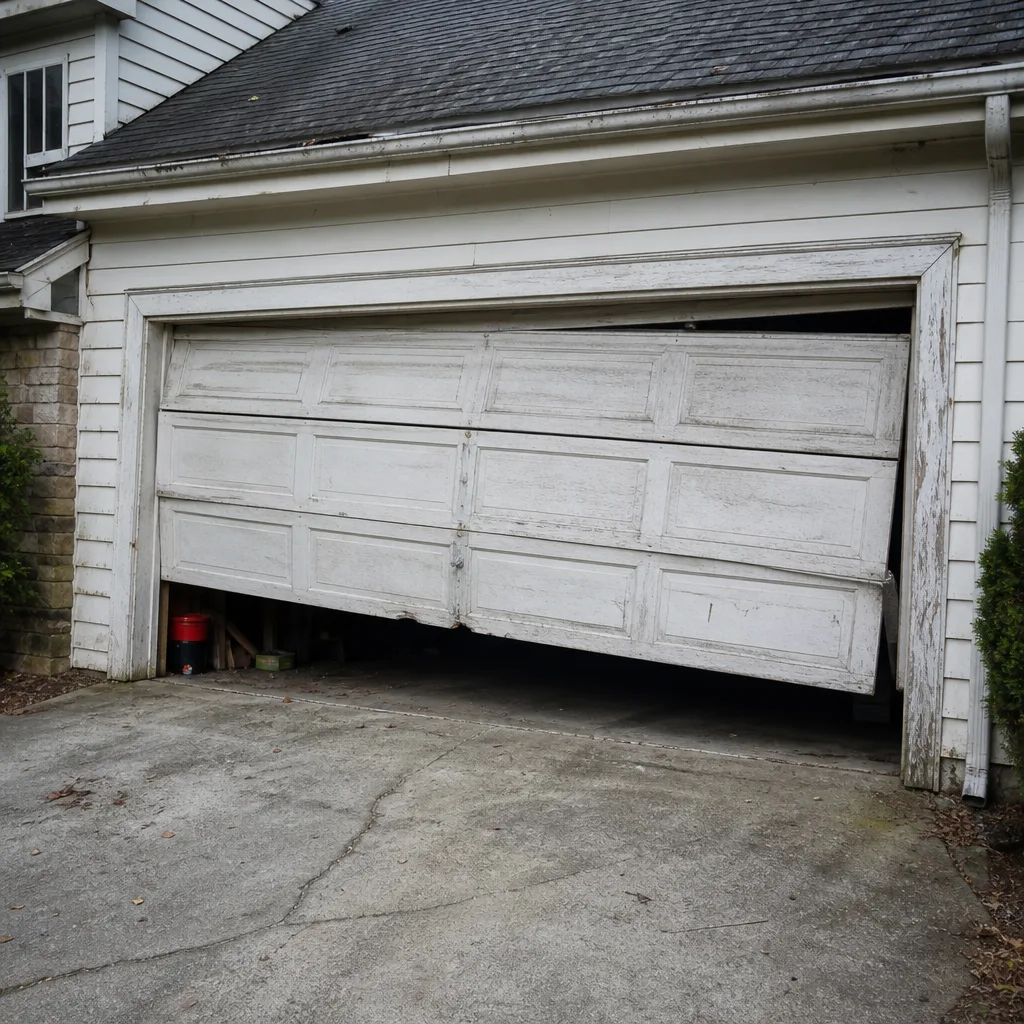 Before
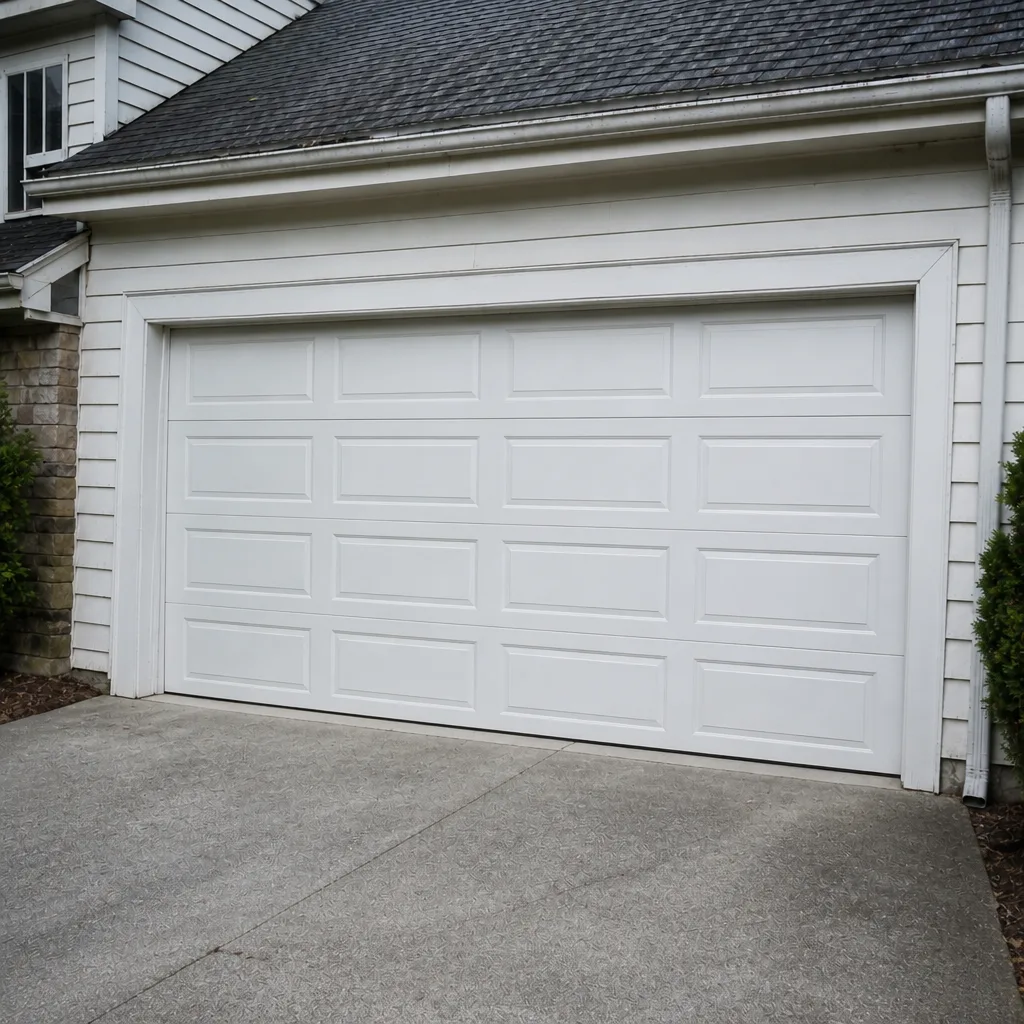 After
When to Call a Professional
Some jobs belong to you, and some don’t. Call a professional immediately if a spring has snapped (the door will feel impossibly heavy, or you’ll hear a bang), if a cable is frayed, kinked, or slipping, if the door won’t hold halfway open, if the auto-reverse fails its test, or if a track is visibly bent. Those are the situations where a small problem becomes a safety hazard fast. Anything involving the door’s weight or tension is a pro’s job, full stop. For everything else, a technician can handle a seasonal tune-up, a worn bottom seal, or a stubborn opener in one visit. Johns Creek Garage Door Repair offers free estimates in Johns Creek, and our technicians have up to 8 years of experience across the most common brands. Call (855) 674-0828 and we’ll book a time that works.
Frequently Asked Questions
Twice a year is the right rhythm in Johns Creek, once when the humid season starts and once when it ends. Our damp summers are hard on roller bearings and hinges, so a garage door lubricant on those points every six months keeps the door quiet and slows wear. Don’t use WD-40, and don’t put lubricant on the track. Call (855) 674-0828 for an exact quote on a tune-up; estimates are free.
The bottom seal, lift cables, and roller bearings fail first in Johns Creek. Persistent summer humidity rusts cables from the inside, keeps the bottom seal damp until it cracks, and breaks down the grease in roller bearings. Springs fail too, but from load and use rather than moisture. Check the seal and cables monthly and lubricate twice a year to stay ahead of it. Call (855) 674-0828 to book an inspection; estimates are free.
No. Torsion and extension springs are under high tension and can cause serious injury if handled without the right tools and training. This is the one maintenance item that is never DIY, no matter how many videos you watch. Leave it to a technician, and call (855) 674-0828 if a spring has snapped. Estimates are free.
Wave a hand or a piece of cardboard in front of one photo-eye while the door is closing; it should reverse immediately. For auto-reverse, place a solid object about 1.5 inches tall in the door’s path and check that the door reverses on contact. If either fails, stop using the door and get it checked. Call (855) 674-0828 and we’ll get a technician out; estimates are free.
A typical tune-up and safety inspection in Johns Creek runs from roughly $79 to $150, though the written estimate you receive sets the final price. That covers lubrication, hardware check, balance, force and travel adjustment, and the safety-system test. Bottom seals and small hardware add to the total. Call (855) 674-0828 for an exact quote on your door; estimates are free.
Usually not. We work on what you already own, so a 10-year-old Craftsman, LiftMaster, Genie, or Chamberlain unit is almost always repairable rather than a replacement. A tune-up or opener repair often brings it back to full function. Call (855) 674-0828 and we’ll give you an honest read before you spend on a new door; estimates are free.
The Bottom Line
A garage door checklist isn’t about boxes; it’s about knowing the order parts fail in Johns Creek. Bottom seals, cables, and roller bearings go first because of Georgia’s humid summers, springs fail from load and use, and the safety system needs a five-minute monthly test. You can handle the cleaning, lubrication, and testing in about 20 minutes; a technician handles springs, cables, track alignment, and balance. Do the monthly block, lubricate twice a year, and book one annual inspection, and your door will keep working through the damp season and the cold snaps. For anything past the homeowner list, we’re one call away.
Whether you’re catching a worn cable early or your door is already stuck, call Johns Creek Garage Door Repair at (855) 674-0828 for a free estimate. We service the brands you already own, from Clopay and Amarr to Wayne Dalton and Craftsman, and we’ll walk you through the checklist so you know exactly what your door needs next.
Written by the team at Johns Creek Garage Door Repair.